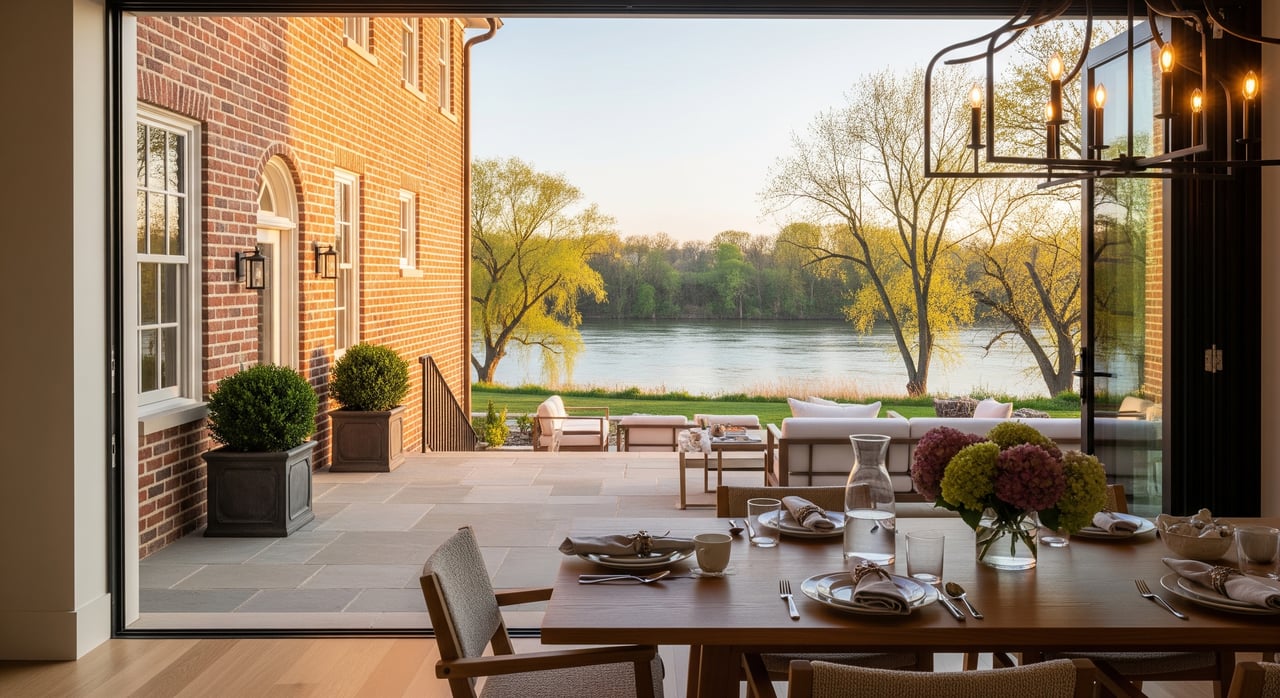
Ever wonder what your Saturdays would look like if you lived in Fredericksburg? Picture brick sidewalks, the river sparkling a block away, and the pace shifting from commuter mode to neighborly chats and local music. If you are exploring a move, it helps to see weekends through a local lens. In this guide, you will get a clear feel for how people spend their time, the neighborhoods that fit different lifestyles, and the practical details that shape daily life. Let’s dive in.
What a Fredericksburg weekend feels like
Historic downtown mornings
Downtown Fredericksburg packs a lot into a small footprint. The Historic District’s brick sidewalks and 18th to 19th-century buildings set the tone for relaxed coffee runs, brunch, and window shopping. You can browse independent boutiques and galleries, then loop the same few blocks to find something new. The scale is walkable, and the vibe is friendly without feeling crowded.
Museum stops and local history
If you enjoy history, you will find plenty to explore. Fredericksburg and Spotsylvania National Military Park and local museums offer easy weekend outings that appeal to both hobbyists and families. Many residents mix a museum stop with downtown errands or a meal, since everything sits close together.
Riverfront and outdoor time
The Rappahannock River gives the city its weekend energy. Riverfront Park and nearby access points draw walkers, picnickers, and people getting kayaks or paddleboards into the water when the weather cooperates. Trails in and around the city make quick hikes and bike rides simple. A short drive puts you on battlefield paths, county parks, or quiet rural roads if you want a longer outing.
Family routines and markets
For many households, Saturday starts with youth sports, dance classes, or a run to a grocery and big-box center. The local farmers market is a popular stop for produce and staples, especially in warmer months. It is common to see neighbors swap recommendations on the best peaches or a new baker.
Evenings, music and events
Evenings center on downtown dining, low-key breweries, and small venues with live music. The city’s events calendar keeps weekends interesting with First Friday art walks, seasonal festivals, outdoor concerts, and university happenings. You get a steady rhythm without the late-night intensity of a big city.
Getting around on weekends
Fredericksburg sits on the Rappahannock River about 45 to 55 miles south of Washington, D.C., roughly midway between D.C. and Richmond. Many residents commute north during the week, then keep weekends local. If you are planning a move, transportation options will shape your weekdays and your downtime.
- I-95 is the main north-south route. It can be congested during peak periods on weekdays. Weekend traffic varies with events and beach or mountain trips.
- The VRE Fredericksburg Line schedule serves Northern Virginia and D.C. on weekdays with limited weekend service. Some residents rely on rail during the week, then leave the car parked on Saturdays.
- Intercity rail is available at the downtown station via Amtrak, which makes day trips or visitor pickups straightforward.
- Local bus routes run through Fredericksburg Regional Transit. Check FRED Transit for current schedules.
- Downtown parking includes garages and street options. Many residents park once, then walk to shops and restaurants.
If you want to feel the commute before you buy, time a sample drive or rail trip at your likely hours. Then enjoy a slow lap around downtown to see the weekend pace.
Where people live and what it costs
Fredericksburg has about 28,000 residents in the city, with many more in nearby Stafford, Spotsylvania, and Caroline counties. Neighborhoods vary from walkable historic streets to newer subdivisions and rural stretches. Here is a high-level look at typical options and budgets.
Downtown and near the river
Downtown buyers tend to value walkability. You will find older rowhouses, small-lot detached homes, and condos above shops. Near the river, the mix includes older homes and newer infill. Keep in mind that some properties sit in FEMA floodplains, so you should factor flood insurance into ownership costs. You can check a property’s flood zone using the FEMA Flood Map Service Center.
Suburban and exurban options
Suburban subdivisions inside the city and in nearby counties offer single-family homes and townhouses, often with yards and community amenities. These areas are popular with buyers who want more square footage and a simpler parking routine. Farther out in Spotsylvania or Caroline, you can find larger lots and more acreage, often with a longer commute.
Pricing bands and budget planning
Prices shift with inventory and mortgage rates, but recent context offers a helpful starting point.
- Entry-level condos and townhomes often start in the low-to-mid $200s to the mid $300s.
- Typical single-family homes frequently range from the mid $300s to around $600k, depending on age, size, and proximity to downtown.
- Larger-lot, riverfront, or move-up properties commonly sit at $600k and up, with premium or historic homes exceeding $1M.
Because pricing changes, ask for recent comparable sales and current listings to calibrate your budget. Prices also vary by neighborhood, taxes, and HOA fees.
Ongoing costs to plan for
Owning here comes with a few line items worth checking up front.
- Property taxes differ between the City of Fredericksburg and Stafford, Spotsylvania, and Caroline counties. The City of Fredericksburg lists current rates and services.
- HOA or condo fees are common in newer subdivisions and some downtown buildings.
- Utilities, flood insurance if required, and commuting costs like fuel, tolls, or a VRE pass can meaningfully affect your monthly total.
Try-before-you-buy weekend plan
Want to test the lifestyle? Use a simple loop to see the city from morning to evening.
- Start downtown before 10 a.m. Grab coffee and walk a few blocks to feel the historic pace.
- Head to the riverfront. Watch paddlers put in or take a short walk in Riverfront Park.
- Visit a museum or the university. The University of Mary Washington often has arts or campus events, and museums are close by.
- Check a local market. If it is Saturday in season, a farmers market run is a quick way to sample local produce.
- Drive neighborhoods. Compare downtown streets, in-city subdivisions, and nearby county options.
- Time a commute. If you plan to rail or drive, do a sample trip at your usual hour.
- Wrap with dinner and music. Check the regional events calendar to see what is happening.
What weekends feel like by lifestyle
If you love walkable charm
You will spend most weekends within a few blocks of home. Coffee, brunch, bookstores, galleries, and a river stroll fit into a single morning. Weeknight dinners can feel like mini weekends because everything is close.
If you want outdoors on tap
You might kayak at sunrise, then hit trails by late morning. In the afternoon, you can head into the countryside for a longer bike ride or a quiet drive. Sundays often look like a river walk and meal with friends.
If you are juggling family schedules
Your weekend will be practical and full, with games and practices, then a grocery run and a quick downtown treat. A farmers market stop checks the fresh-vegetable box and keeps the kids moving.
If you commute during the week
Weekends become your reset. That could mean home projects, brunch downtown, and a short day trip to Richmond or a museum show in D.C. Rail during the week and car-light weekends can make the balance feel easier.
Quick comparisons with nearby counties
- Stafford offers slightly shorter drives to Quantico and Northern Virginia job centers, with pricing that reflects proximity.
- Spotsylvania blends suburban and rural options, often with more space for the budget but longer commutes from the southern side.
- Caroline and King George lean rural with lower-density housing and longer drives to job centers.
Your choice will affect property taxes, commute times, and school system boundaries. It helps to rank your must-haves, then tour a few areas to compare.
Practical checks before you write an offer
Use this short list during a weekend scouting trip.
- Walk a few blocks around any home you like. Note shade, sidewalks, and traffic sounds.
- Ask about taxes, HOA or condo fees, and average utilities.
- Confirm whether the home sits in a floodplain using the FEMA flood map.
- Time a commute to your likely work location or train boarding time.
- Review recent comparable sales to confirm pricing.
How Michelle helps you plug in
Moving is more than a contract. You want a trusted, local guide who knows the market and understands what matters to you. Michelle Nicely pairs deep Fredericksburg expertise with concierge service, from accurate pricing to polished listing prep and hands-on support for complex life changes.
If you are downsizing or helping a parent, Michelle’s Senior Home Coach approach offers patient guidance, contractor and senior-placement referrals, and step-by-step coordination. For military and relocating professionals, she provides video tours, clear timelines, and remote-friendly closings so you can move forward with confidence. When you are ready to explore homes or plan a scouting weekend, reach out and let’s build a plan that fits your life.
Ready to experience Fredericksburg at your pace? Connect with Michelle Nicely to start your stress-free move.
FAQs
How long is the commute from Fredericksburg to D.C. on weekdays?
- Driving can take roughly 60 to 90 minutes or more depending on traffic. Many commuters use the VRE Fredericksburg Line for a more predictable weekday trip.
Is downtown Fredericksburg walkable on weekends?
- Yes. The Historic District is compact with brick sidewalks, shops, dining, and public parking, so you can park once and walk.
What types of homes are common in Fredericksburg?
- Downtown offers older rowhouses, condos, and small-lot homes. Subdivisions in the city and nearby counties provide townhomes and single-family homes, with rural options farther out.
How much should I budget for a starter home or condo?
- Recent context suggests entry condos and townhomes often start in the low-to-mid $200s to the mid $300s, but pricing changes with inventory and rates. Ask for current comps before you set a target.
Are riverfront properties at risk of flooding?
- Some properties near the Rappahannock sit in FEMA floodplains. Check the FEMA Flood Map Service Center and ask about any required flood insurance.
What rail options serve Fredericksburg?
- Weekday commuters use the VRE Fredericksburg Line to Northern Virginia and D.C., while Amtrak provides regional intercity service from the downtown station.
What local resources should I check before I move?
- Start with the City of Fredericksburg for taxes and services, FRED Transit for local routes, and the regional events calendar to see what weekends look like year-round.