If you picture country living as total isolation, Caroline County may surprise you. Life here is quieter and more spread out, but it is not cut off. You get open space, a rural setting, and room to breathe while still staying within reach of Fredericksburg, Richmond, and the Washington area. If you are wondering what day-to-day life really feels like here, this guide will help you understand the pace, housing patterns, commute realities, and local rhythm. Let’s dive in.
A Rural Setting With Real Breathing Room
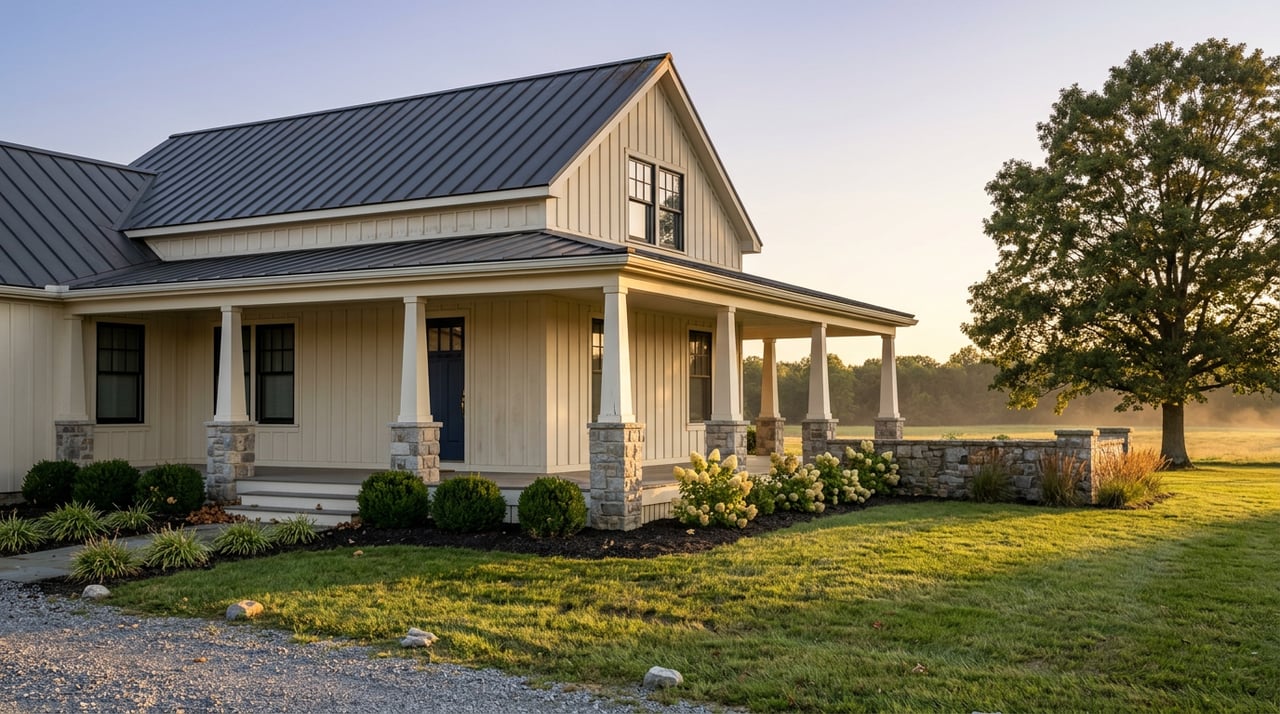
Caroline County covers 527.36 square miles, with about 58.6 people per square mile according to Census QuickFacts. The county’s land-use plan says more than 80% of the county is designated rural, which helps explain why the landscape often feels open and less crowded than many nearby areas.
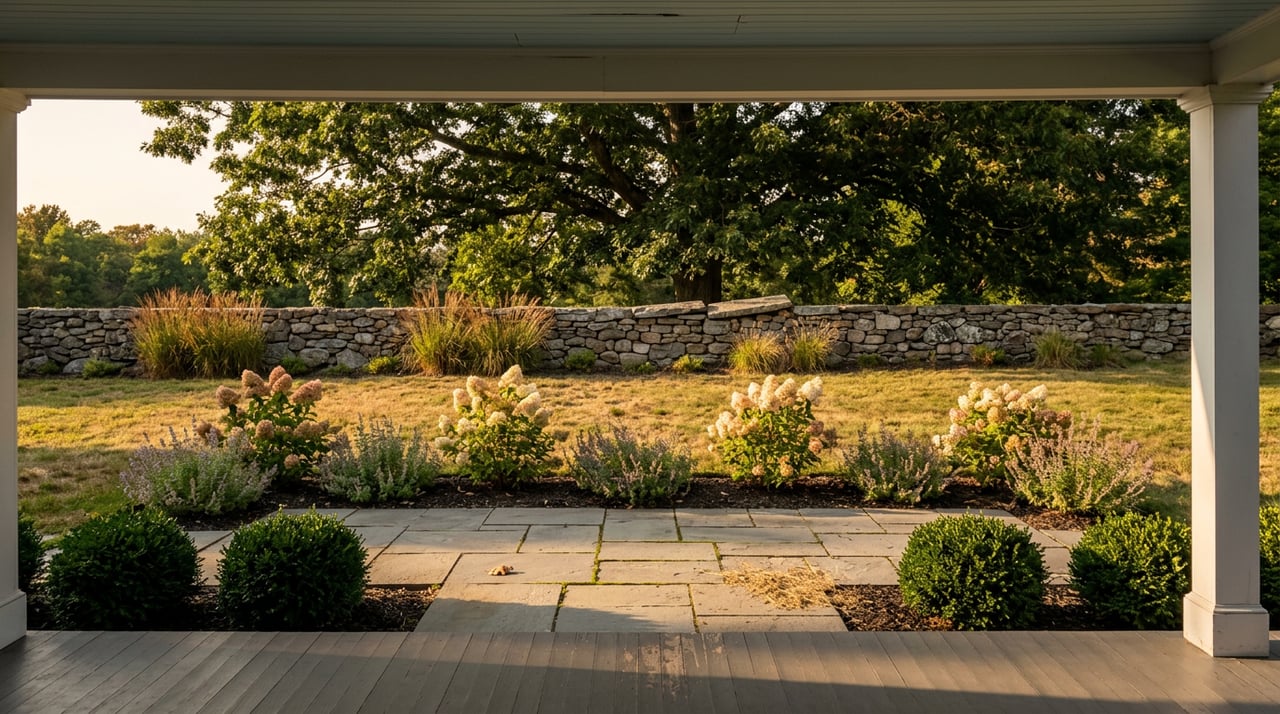
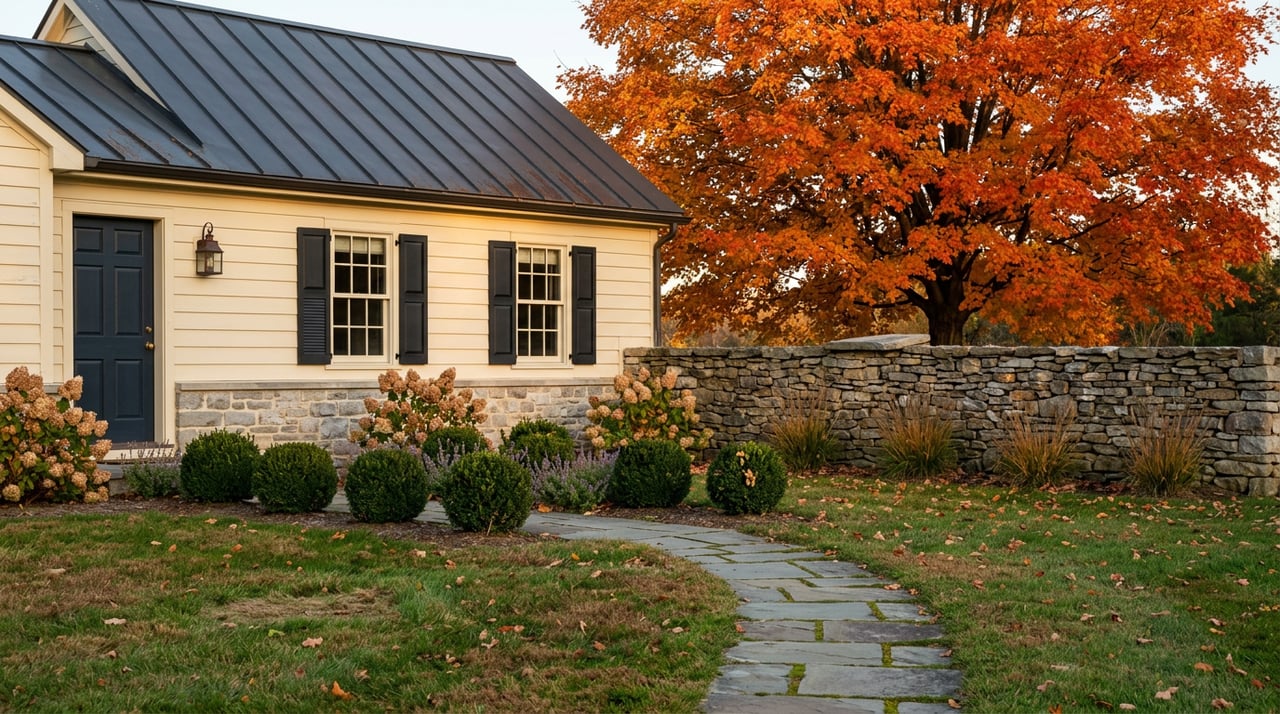
That rural feel is not accidental. County planning documents clearly state a goal of preserving rural character, directing growth into designated areas, and balancing development with utilities, recreation, schools, and transportation. In other words, the county is actively trying to keep the countryside feel that draws many buyers here in the first place.
Location Matters in Caroline County
One of the biggest lifestyle benefits is Caroline County’s position between larger job and shopping hubs. The county sits roughly halfway between Richmond and Fredericksburg and is about 90 miles from Washington, D.C. That means you can enjoy a quieter home setting without giving up access to urban amenities.
This location shapes the way many people experience the county. You may spend your evenings at home with more privacy and fewer nearby distractions, but still plan regular trips for work, shopping, dining, or appointments in surrounding areas. County planners describe this balance as a rural setting with access to urban amenities, and that phrase fits the lifestyle well.
Home Choices Range More Than You Might Expect
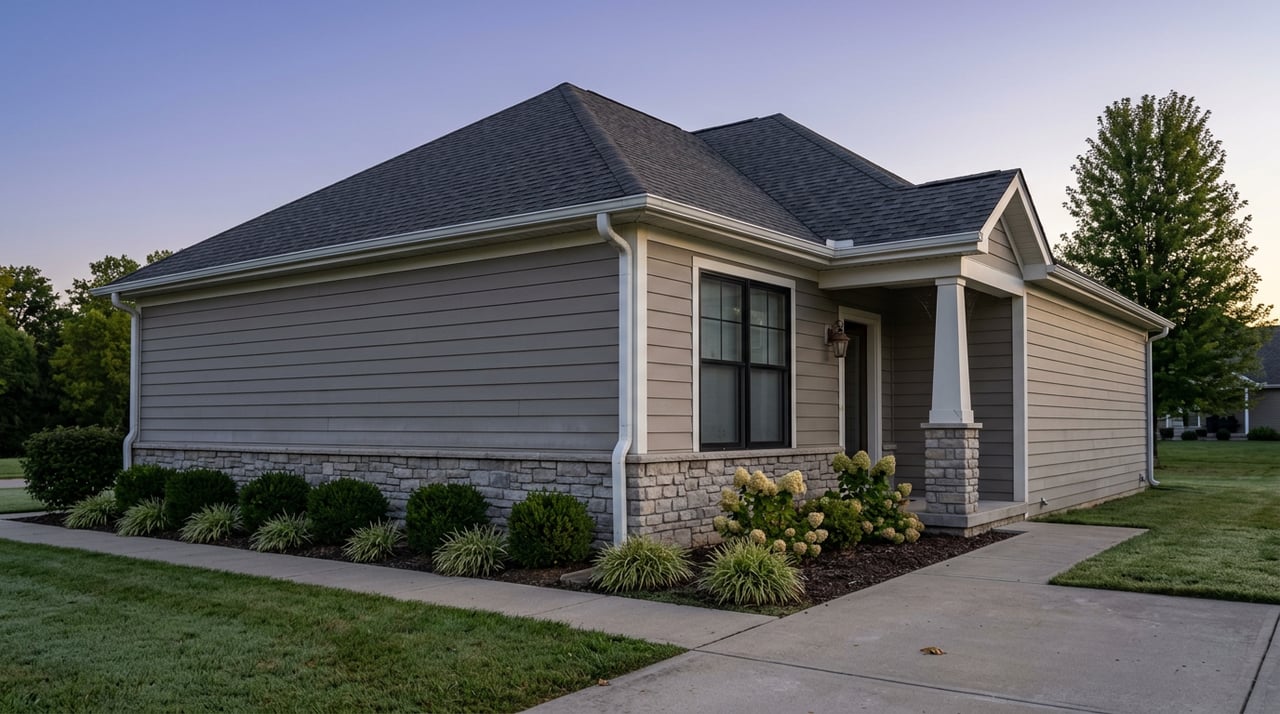
Country living in Caroline County does not mean every home is a farmhouse on a huge piece of land. The county’s community profile notes a range of housing choices, including lake developments, condominiums, town homes, and farm homes. That gives buyers options depending on budget, lifestyle, and how much land they actually want to maintain.
Current county profile data show 13,716 housing units, an owner-occupied rate of 82.3%, a median owner-occupied home value of $307,700, and median gross rent of $1,293. Those numbers help paint a picture of a county with a strong homeownership base and a mix of ownership and rental opportunities.
Lot Size Can Change Your Daily Experience
One of the most important things to understand about Caroline County is that zoning shapes the lifestyle in a very real way. In Agricultural Preservation areas, minimum lot size is 25 acres. In Rural Preservation, the minimum is 10 acres. RR-5 requires five acres, and RR-2 requires two acres.
That matters because lot size affects more than just the view from your porch. It can influence upkeep, privacy, utility planning, and how close you are to services. In some rural districts, the county says public water and sewer are not planned, which can be an important practical detail when comparing properties.
Rural Areas Feel Different From Growth Areas
The county’s land-use plan says denser growth should go into designated growth areas, where public services can be provided more efficiently and transportation improvements are easier to support. So if you want a more traditional neighborhood setup with easier access to services, some parts of the county will feel very different from larger rural parcels.
This is why two homes with the same Caroline County address can offer very different lifestyles. One property may feel tucked away and quiet with lots of land, while another may be in a more planned community with a different maintenance routine and neighborhood structure.
Lake Communities Have Their Own Rhythm
Some buyers are especially drawn to the county’s lake subdivisions and planned neighborhoods. These areas can offer a more structured residential setting while still keeping you in a county known for its rural character. That mix appeals to buyers who want a quieter location without taking on a very large parcel.
It is also important to know that some of these communities come with extra property-related steps. The county requires a certified house location plat for new homes, additions, or accessory buildings over 150 square feet on lots under 3 acres in places including Lake Land'Or, Lake Caroline, Bridlewood, Tanglewood, Belmont, Ladysmith Village, Pendleton, and Caroline Pines.
Utility setup can also vary by location. The county lists different water and sewer contacts for Carmel Church, Milford, Lake Caroline, Lake Land'Or, and the incorporated towns. That is one reason local guidance can be so helpful when you are comparing neighborhoods or preparing for a move.
Daily Life Is More Local Than Flashy
In Caroline County, daily life often revolves around community institutions rather than big commercial districts. The Community Services Center in Milford is a good example. It houses the main branch of the Caroline Library, Parks and Recreation, Social Services, the Health Department, the emergency operations center, and the Board of Supervisors meeting space.
That setup says a lot about the county’s rhythm. Life here can feel practical, community-based, and tied to local resources. Instead of relying on dense town-center living, many residents build routines around county services, schools, recreation programs, and local gathering places.
Schools and Community Services Shape the Pace
Caroline County Public Schools lists five public schools, and the Caroline Library system has four branches. For many households, these are the kinds of places that anchor the week and create a sense of routine.
Parks and Recreation also plays a visible role in county life. The county describes its programming as affordable and diverse, with strong volunteer support, especially for youth activities. It also highlights active-senior programming and a 55 Plus Club, which speaks to the county’s multigenerational community rhythm.
Weekends Tend To Be Outdoorsy and Close to Home
If you enjoy a slower weekend pace, Caroline County has a lot to offer. The county’s visitors information highlights agriculture, farmers’ markets, golf, history, lodging, museums, music and arts, outdoor fun, shopping, and wedding venues.
The tourism office also points to the Meadow Event Park, Virginia Sports Complex, the Rappahannock River, antiquing spots, camping, and more than seventy significant historic sites. Seasonal farmers’ markets run from April through October, adding another layer to the county’s local, outdoor-oriented feel.
For many residents, this means weekends are less about packed schedules and more about choosing from a range of simple, nearby activities. You may find yourself spending more time outside, exploring local events, or staying close to home instead of constantly driving to busier destinations.
Commuting Is Part of the Tradeoff
The country lifestyle in Caroline County often comes with a practical tradeoff: commuting. Census QuickFacts lists the mean travel time to work at 37.2 minutes. For many buyers, that number reflects the reality of choosing more space and a quieter setting while still working in nearby employment centers.
County and VDOT materials point to I-95, Route 1, Route 207, and Route 301 as major travel corridors. The county notes that Routes 207 and 301 can save time and miles, while VDOT has also focused on preserving capacity along Route 1 because of overflow traffic when incidents happen on I-95.
Expect a Car-Centered Routine
Caroline County’s official planning materials suggest a car-centered way of life. Many errands, work trips, and appointments happen by driving through highway networks rather than walking through dense commercial districts.
That does not make the lifestyle better or worse. It simply means your day-to-day routine may feel different than it would in a more compact area. If you value land, quiet, and a slower home environment, that tradeoff may feel well worth it.
Who Caroline County Country Living Fits Best
Caroline County can be a strong fit if you want more space, a quieter setting, and a home base that feels removed from constant noise and congestion. It may also appeal to commuters, remote workers, retirees, and households looking for a rural atmosphere with access to larger regional hubs.
It can be especially worth exploring if you are thinking carefully about your next chapter. Whether you are downsizing, relocating for work, planning a retirement move, or simply looking for a different pace, the right part of Caroline County can offer very different benefits depending on your goals.
Why Local Guidance Matters Here
Because Caroline County includes lake communities, rural parcels, growth areas, and different utility setups, buying here is not just about finding a house you like. It is about understanding how that property will shape your daily life. Commute patterns, lot size, services, and neighborhood structure all matter.
That is where experienced local guidance can make a real difference. If you are weighing lifestyle tradeoffs, planning a transition, or trying to narrow down the right area for your needs, a thoughtful, high-touch approach helps you move forward with more clarity and confidence.
If you are considering a move in Caroline County and want practical guidance tailored to your lifestyle, timing, and goals, Michelle Nicely is here to help you take the next step with care and confidence.
FAQs
What does country living in Caroline County feel like day to day?
- It often feels quieter, more spread out, and more car-centered than denser suburban areas, with daily routines shaped by local services, schools, recreation, and regional driving routes.
Are all homes in Caroline County on large rural lots?
- No. Housing options include lake developments, condominiums, town homes, and farm homes, so your experience can vary widely depending on the property and area.
How rural is Caroline County, Virginia?
- Caroline County is very rural in overall character, with more than 80% of the county designated rural and a population density of about 58.6 people per square mile.
Is commuting from Caroline County common?
- Yes. Commuting is a major part of life for many residents, and the mean travel time to work is 37.2 minutes according to Census QuickFacts.
What should buyers know about Caroline County neighborhoods?
- Buyers should pay close attention to zoning, lot size, utility access, and whether a property is in a lake subdivision or a designated growth or rural area, because those factors can shape everyday living.