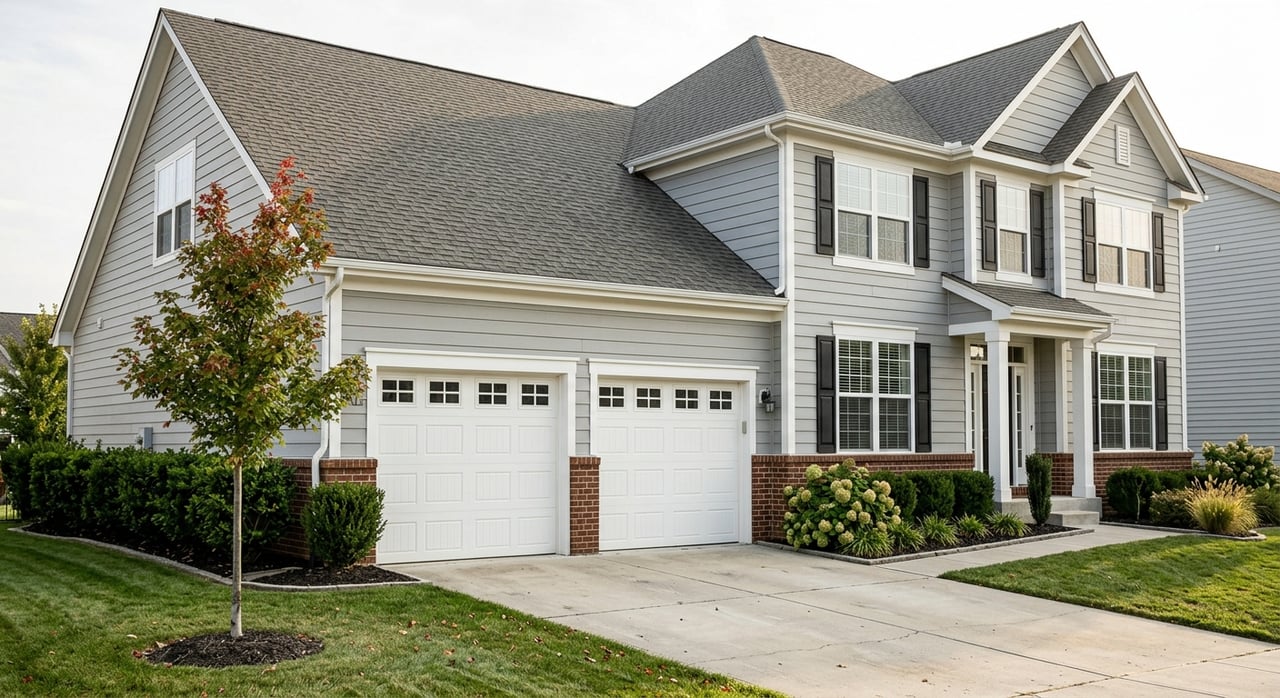
Thinking about buying your first rental property in Ruther Glen? It can be an exciting way to build long-term wealth, but it can also feel overwhelming when you are trying to balance price, rent potential, local rules, and repair costs. The good news is that with careful planning, you can approach this market with more clarity and confidence. Let’s dive in.
Why Ruther Glen Appeals to New Investors
Ruther Glen sits in Caroline County, a location with strong commuter ties and practical appeal for buyers who want more accessible entry costs than many other parts of Virginia. County economic development materials place the area about 70 miles south of Washington, DC, and highlight its Interstate 95 access, along with reliable broadband advantages.
That local context matters when you are evaluating rental demand. Caroline County reports a population of 33,477, a median household income of $87,407, and an 86.3% broadband subscription rate. Those numbers point to a market where connectivity and commuting convenience can shape what renters look for in a home.
Ruther Glen may also catch your attention because the county’s housing costs are lower than statewide median figures. County data show a median gross rent of $1,293 and a median owner-occupied home value of $307,700, both below Virginia’s reported medians. For a first-time investor, that can mean a lower-cost starting point than many higher-priced markets.
What the Local Housing Mix Means
Before you buy, it helps to understand what kinds of homes are most common in the area. Caroline County’s housing plan shows that single-family detached homes make up the largest share of the housing stock, with manufactured homes as the second-largest component.
That gives you an important clue about what may fit the local market best. In Ruther Glen, entry-level rental opportunities are often more likely to align with single-family homes, townhomes, smaller multifamily properties, or manufactured homes where permitted, rather than large urban-style apartment projects.
The county’s housing plan also says local needs include affordability, variety, quality, quantity, location, and amenities. It specifically notes the need for housing options beyond traditional owner-occupied single-family homes for younger workers, people in transition, households unable to secure credit to buy, and older residents who want less maintenance.
If you are just getting started, this points to a simple lesson: think in terms of practical housing that meets everyday needs. Low-maintenance layouts, reliable systems, and good access to commuter routes may matter more than chasing a flashy investment idea.
Start With Conservative Numbers
One of the biggest mistakes first-time investors make is focusing only on the mortgage payment. A rental property has more moving parts than that, and your numbers need to reflect real operating costs.
Based on county figures, annual gross rent at the median comes to about $15,516. Compared with the county’s median owner-occupied value, that works out to roughly a 5.0% gross rent-to-value ratio before financing and operating costs.
That figure can help you do a quick first screen, but it is not the same as cash flow. You still need to account for real estate taxes, insurance, maintenance, possible vacancy, turnover costs, and professional help if you do not plan to self-manage.
The IRS lists common residential rental expenses such as maintenance, insurance, taxes, interest, advertising, cleaning, repairs, utilities, depreciation, and professional fees. In practical terms, your deal analysis should include both expected monthly bills and reserve funds for the surprises that come with owning property.
Know the Caroline County Tax Baseline
A good local starting point is the county real estate tax rate. Caroline County reports a real estate tax rate of $0.52 per $100 of assessed value.
That means a $300,000 property carries about $1,560 per year in county real estate tax. A home near the county’s median owner-occupied value would be close to $1,600 annually.
Taxes alone will not make or break a deal, but they are part of the baseline cost of ownership. When you stack taxes together with insurance, maintenance, and potential vacancy, you get a much more realistic picture of whether a property can support your goals.
Look Closely at Rural Property Systems
In and around Ruther Glen, some rental properties may rely on onsite septic systems and private wells. If you are used to more suburban or urban housing stock, this is an area where extra due diligence matters.
Caroline County Environmental Health evaluates septic systems and wells and lists state fees of $75 for septic permits and $40 for well permits. Those fees are not the main issue. The bigger concern is whether the systems are in working order, whether maintenance has been documented, and whether repairs could affect your budget.
For a rural rental, your inspection checklist should include:
- Septic system condition
- Pump-out history
- Well status and basic functionality
- Any permits or past work tied to the property
- Whether the site setup could affect future improvements
If a property has aging onsite systems, your reserve planning should reflect that. A lower purchase price does not always mean a lower total cost to own.
Focus on Planned Growth Areas
Location still matters, even in a market with a more rural feel. Caroline County’s growth strategy directs development toward designated areas such as Carmel Church and Ladysmith.
For investors, that can be useful because planned growth areas may offer more predictable access to utilities, lot planning, and housing demand than scattered rural parcels. It does not guarantee a better investment, but it can reduce some of the unknowns that come with isolated properties.
If you are comparing multiple homes, pay attention to the surrounding development pattern. A property in or near a growth corridor may offer a different risk profile than a property that depends on more limited infrastructure.
Understand Virginia Rental Rules Before You Buy
A rental property is not just a house. It is also an ongoing legal responsibility, so it is smart to understand a few key Virginia rules from the start.
Virginia landlord-tenant law caps security deposits at no more than two months’ rent. The law also requires an itemized accounting, with any balance due to the tenant returned within 45 days after the tenancy ends or the tenant vacates.
Virginia law also requires landlords to maintain premises in a fit and habitable condition. For routine maintenance not requested by the tenant, the law generally requires at least 72 hours’ notice.
For month-to-month tenancies, either party may terminate with 30 days’ written notice before the next rent due date unless the lease says otherwise. If you plan to buy and hold, these rules should shape how you think about lease setup, recordkeeping, and day-to-day management.
Buying an Occupied Rental? Check the Deposit Transfer
If you purchase a property with a tenant already in place, there is another detail you cannot afford to miss. Under Virginia law, the current owner must transfer any security deposits and accrued interest to the new owner and notify tenants that the deposits were transferred.
This matters because lease obligations do not disappear at closing. If you are buying an occupied rental, part of your due diligence should be confirming lease terms, deposit amounts, and documentation for the transfer.
That extra review can help you avoid confusion after settlement. It also helps you start the ownership transition on clear footing with the existing tenant.
Permits and Zoning Can Affect Your Plan
It is easy to assume a property can be improved, converted, or expanded later. In reality, local rules may shape what is actually allowed.
Caroline County says building permits are required before new construction, renovation, additions, or major improvements, and occupancy cannot begin until a certificate of occupancy is issued. The county also has permit packets for single-family dwellings, manufactured homes, accessory structures, and decks.
That means even projects that seem minor can trigger local review. If your investment plan includes adding space, reworking a structure, or exploring an accessory unit, verify zoning, parking, utility, and permitting rules before you make assumptions.
This is especially important because Caroline County reports that zoning ordinance changes were made in FY2025 and that new permitting and case-tracking software was implemented on July 1, 2025. When local processes evolve, it is wise to confirm requirements with current county information.
A Smart First-Step Checklist
If you want to get started with rental properties in Ruther Glen, keep your first purchase simple and well-vetted. A steady property with understandable costs is often a better beginner investment than a bargain with too many unknowns.
Use this checklist as you narrow your options:
- Review local rent potential against actual ownership costs
- Estimate county real estate taxes using the current tax rate
- Budget for insurance, maintenance, vacancy, and turnover
- Check whether the property uses septic or well systems
- Verify permits, zoning, and occupancy requirements
- Review lease and deposit details if the property is tenant occupied
- Focus on properties with practical layouts and manageable upkeep
The goal is not to find a perfect property. The goal is to find one that fits your budget, your risk tolerance, and your long-term plan.
Why Guidance Matters Early
Your first rental purchase can shape how you feel about investing for years to come. When you start with clear numbers, realistic expectations, and local insight, you give yourself a much better chance of making a decision you can live with.
In a place like Ruther Glen, opportunity often comes from buying thoughtfully, not quickly. Lower entry costs, commuter access, and a housing stock centered on practical residential properties can work in your favor, but only when you pair them with careful due diligence.
If you are exploring rental or residential investment opportunities in the Fredericksburg area and surrounding communities, working with an experienced local advisor can help you sort through the details with less stress. Michelle Nicely brings a concierge, service-first approach to real estate and can help you evaluate your next move with clarity and care.
FAQs
What makes Ruther Glen appealing for first-time rental property buyers?
- Ruther Glen offers a lower-cost entry point than many Virginia markets, along with Interstate 95 access, commuter appeal, and a housing stock that leans toward practical residential property types.
What property types are common for rental investing in Ruther Glen?
- Caroline County housing data show that single-family detached homes are the dominant type, with manufactured homes as the second-largest component, making those formats important to evaluate where permitted.
What should you budget for when buying a rental property in Ruther Glen?
- You should look beyond the mortgage and include taxes, insurance, maintenance, vacancy, turnover, repairs, and any professional management or service costs.
What is the Caroline County real estate tax rate for rental property owners?
- Caroline County reports a real estate tax rate of $0.52 per $100 of assessed value, which is about $1,560 annually on a $300,000 property.
What Virginia security deposit rules apply to rental property owners?
- Virginia law caps security deposits at no more than two months’ rent and generally requires an itemized accounting and return of any balance due within 45 days after the tenancy ends or the tenant vacates.
What should you check if a Ruther Glen rental property has a septic system or well?
- You should review septic condition, pump-out history, well status, and any related permits because onsite systems can affect both upfront costs and long-term reserves.
What should you verify before renovating a rental property in Caroline County?
- You should confirm permit, zoning, parking, utility, and certificate of occupancy requirements because Caroline County requires permits for new construction, renovations, additions, and major improvements.