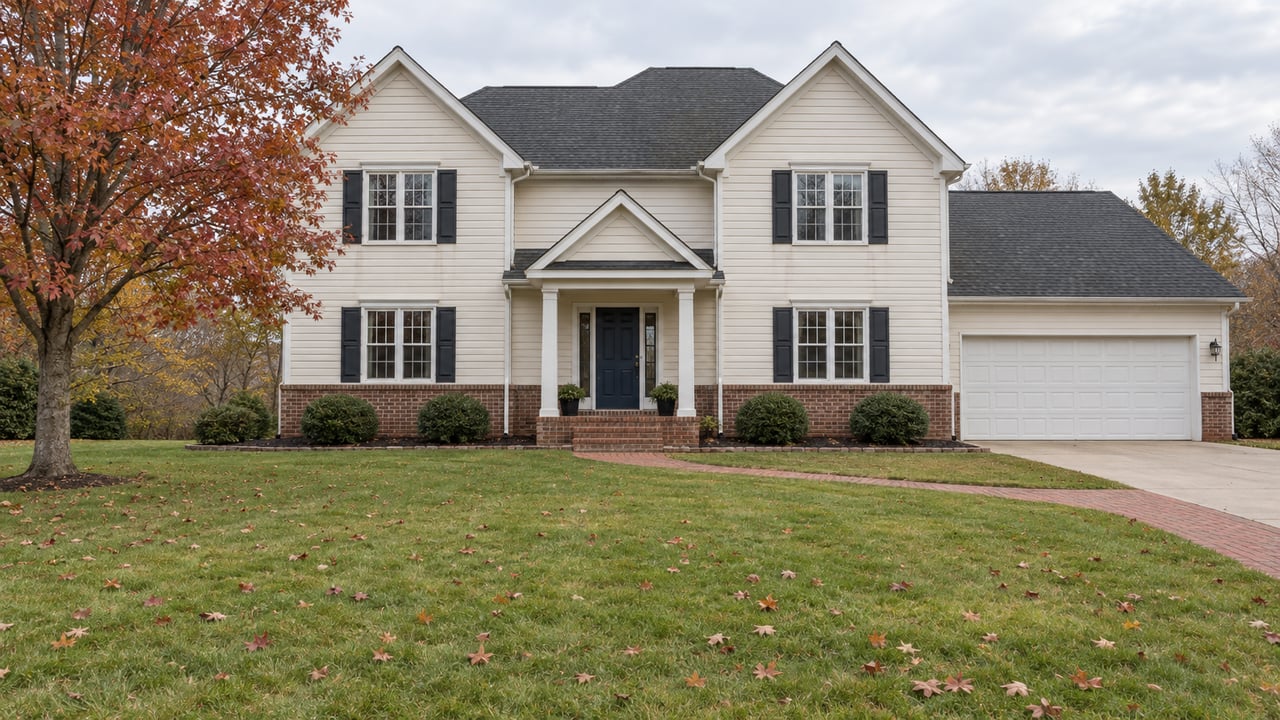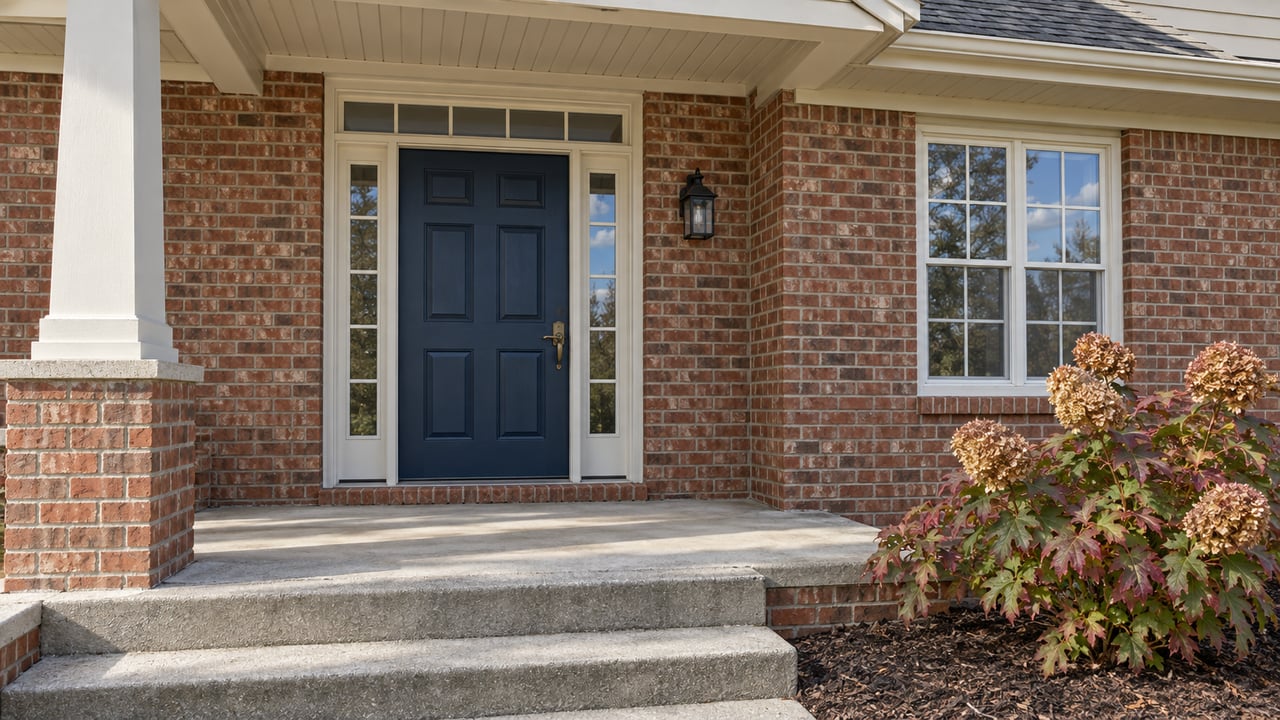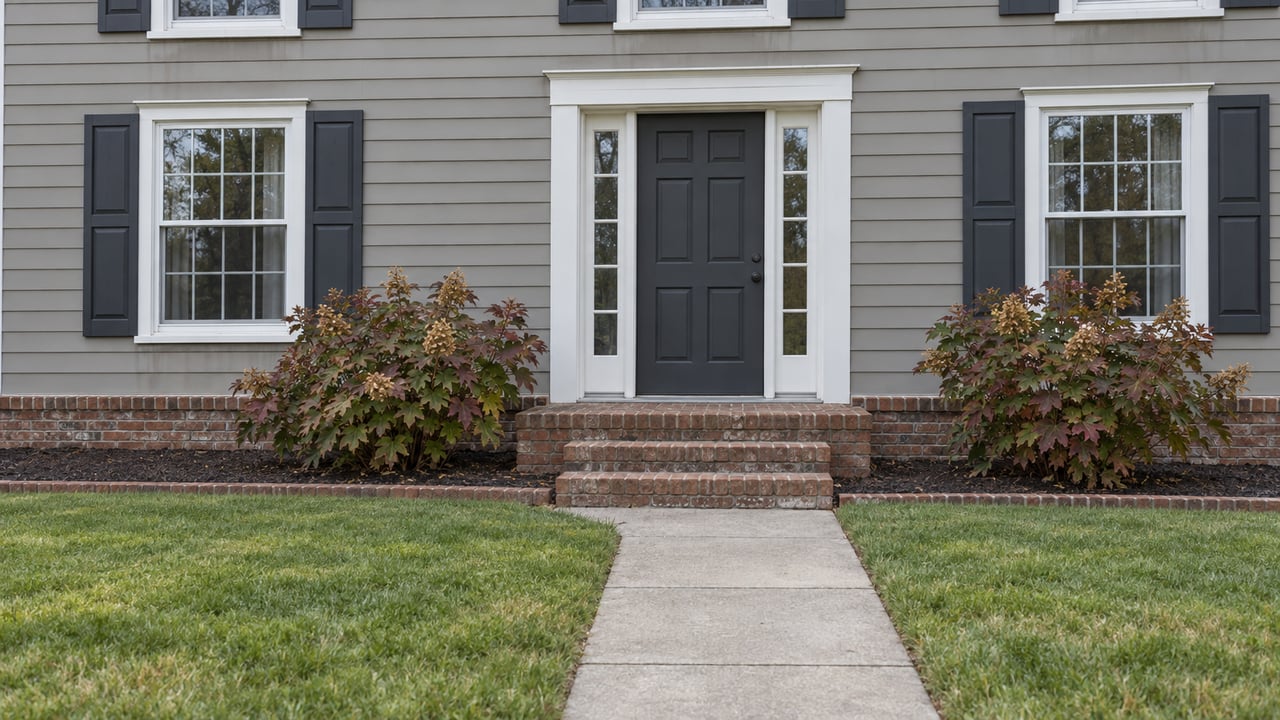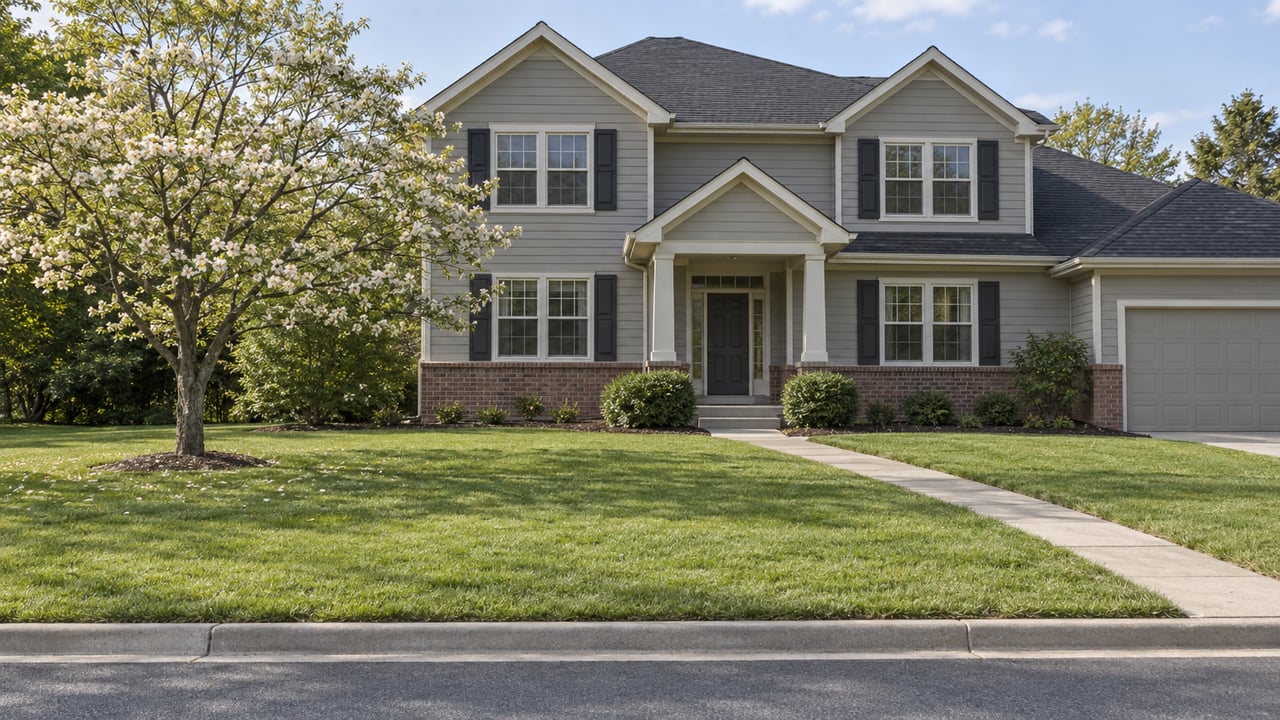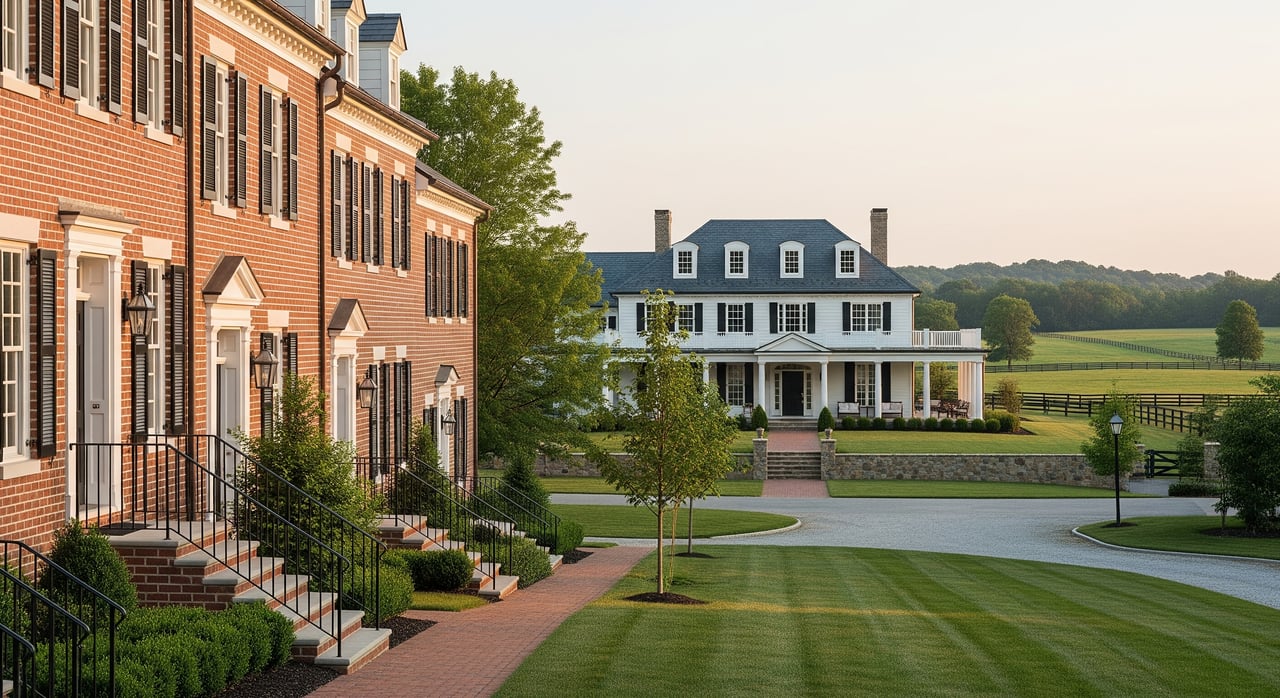
Trying to decide between a townhome and a single-family home in Fauquier County? You are not alone. With commutes to Northern Virginia, HOA questions, and different outdoor lifestyles to weigh, it can feel like a lot. This guide breaks down the real tradeoffs in Warrenton, Vint Hill, and Bealeton so you can match your budget and daily routine to the right fit. Let’s dive in.
A quick snapshot of Fauquier living
Fauquier County sits west of Northern Virginia’s core job centers. Many residents commute east toward Prince William County, then connect to I-66 or the Beltway for Arlington, Tysons, and DC. Others work locally or telework part or all of the week.
- Warrenton has a historic downtown and a mix of older single-family homes and newer subdivisions, plus some townhomes.
- Vint Hill offers newer planned communities with townhome clusters and smaller-lot single-family homes, and it is a bit closer to the I-66 corridor.
- Bealeton is more rural with larger lots and lower housing density, and it has fewer townhome developments.
The right choice often comes down to how you balance maintenance, HOA structure, yard needs, parking, price, and commute.
Townhome or single-family: how to decide
Start by ranking the factors below. Your top two or three priorities usually point to the right property type.
Maintenance and exterior
- Townhomes: Expect lower exterior upkeep. Many communities cover parts of the exterior envelope such as roof or siding, plus snow removal and common-area landscaping, depending on the HOA. You still handle interior maintenance. Ask for the HOA’s maintenance matrix and reserve study.
- Single-family: You handle roof, siding, driveway, yard work, and on rural properties possibly septic and well. You get more control over upgrades and outdoor projects, yet also higher time and cost for upkeep, especially on larger or older homes.
HOA fees and rules
- Townhomes: In Northern Virginia’s outer suburbs, monthly HOA fees often range about 100 to 400 dollars depending on what is included, such as exterior coverage, landscaping, trash, and amenities. Review the budget, reserve study, and any planned assessments.
- Single-family: Many homes in Fauquier have no HOA. Where HOAs exist for subdivisions, fees are commonly lower and focused on common areas. Expect a general range of 0 to 200 dollars per month.
Yard space and outdoor life
- Townhomes: Typically a patio or small yard, roughly 0 to 0.25 acre equivalent. Great if you want minimal yard work and cozy outdoor space.
- Single-family: Lot sizes vary widely, from suburban lots around 0.2 to 1 acre to rural parcels with multiple acres. Newer Vint Hill subdivisions often run about a quarter to one acre, while Bealeton and the outskirts feature larger acreage. This is the route for gardens, pets, privacy, and outbuildings, subject to any local rules.
Parking and storage
- Townhomes: Expect 1 to 2 car garages plus a driveway, and guest spaces governed by HOA rules. If you have multiple vehicles or a trailer, verify parking policies and driveway dimensions.
- Single-family: Larger driveways and 2-plus car garages are common, and acreage lots often allow more storage options subject to zoning and any HOA rules.
Price bands to set expectations
- Townhomes in Fauquier County: Approximately 300,000 to 600,000 dollars, from older or smaller units at the lower end to newer or larger homes near major corridors at the upper end.
- Single-family homes: Approximately 350,000 to 1,500,000 dollars and higher. Many suburban single-family homes cluster from the mid 300s to the 700 to 800 thousand range. Acreage and horse properties can exceed 1 million.
Use your target monthly payment to compare apples to apples. For example, at around 450,000 dollars, you might choose a larger townhome with lower maintenance or a smaller single-family with more yard, depending on what matters most. For broader trend context, review regional data in the Northern Virginia Association of Realtors’ market statistics.
Commute and lifestyle tradeoffs
Distance and drive patterns
Common routes include I-66 eastbound, US-29, US-17, Route 50, and Route 15. From Warrenton, approximate road miles are:
- To Tysons Corner: about 35 to 45 miles
- To Rosslyn or Arlington: about 40 to 50 miles
- To downtown Washington, DC: about 50 to 60-plus miles
Vint Hill locations are generally a bit closer to Prince William County and I-66. Peak-hour congestion can add significant time, while off-peak can be moderate. Check typical travel times for your schedule using live traffic tools and review statewide updates through VDOT travel information.
Transit and park-and-ride
There is no VRE station within Fauquier County. Many commuters drive to nearby stations in Prince William County and Manassas. Explore VRE station locations and regional bus options like PRTC’s OmniRide commuter services. If you plan to use transit, homes closer to park-and-ride lots or I-66 access points can save you time.
Telework and space priorities
If you telework several days a week, a larger single-family home or rural parcel may deliver more space and value without a daily commute. If you commute full time into Arlington or DC, townhomes or single-family homes near I-66 or major connectors can trim drive time.
Neighborhood snapshots for tours
Warrenton
You get a historic small-town center with shops and services close by. Housing options range from older single-family homes to newer subdivisions, plus some townhome communities. Commuting distance is similar to other Fauquier towns, yet local errands are shorter.
Vint Hill
Expect a newer feel with planned subdivisions and townhome clusters. You are generally a bit closer to I-66 and Prince William County, which can shorten the commute. Newer construction often means smaller lot sizes compared with rural parcels.
Bealeton
This is more rural with larger lots and agricultural parcels. It suits buyers seeking space and privacy. Fewer townhome developments exist here, and commutes to Northern Virginia job centers are typically longer.
What to verify before you tour
Doing a few checks up front saves time later and helps you compare real costs.
For townhomes
- Monthly HOA fee and exactly what it covers, including roof, siding, exterior paint, snow removal, landscaping, trash, and master insurance.
- HOA governing documents, budget, reserve study, recent meeting minutes, and any pending or planned special assessments.
- Visitor parking rules, rental restrictions, and pet policies.
For single-family homes
- Age and condition of major systems, including roof, HVAC, septic, and well, plus service records if available.
- Lot lines, easements, and any floodplain or conservation easement details, which you can investigate through the county’s GIS mapping resources.
- Whether the property has an HOA or recorded covenants, and any rules that apply.
For either property type
- Recent comparable sales in the last 3 to 6 months for a realistic sense of value.
- Property tax history and any recent reassessment, which you can review via the county’s real estate assessment pages.
- Typical utility costs, especially for rural well and septic properties.
- Commute tests from the exact address at your normal travel times and preferred routes.
- School boundaries and local services if those are important to your lifestyle. For broad community context, the U.S. Census Bureau’s QuickFacts for Fauquier County offers baseline housing characteristics and demographics.
Sample scenarios to guide your choice
- You want convenience and a simpler routine: A townhome in Vint Hill could offer lower exterior upkeep, reasonable HOA coverage, and easier access to I-66 for commuting.
- You want a yard and room to grow: A single-family home near Warrenton with a quarter to half acre might balance space, yard time, and proximity to services.
- You want acreage and privacy: A Bealeton-area property on several acres can provide more outdoor projects, space for pets, and a quieter setting, with the tradeoff of a longer commute.
The bottom line
If low maintenance and closer-in convenience matter most, start with townhomes in Vint Hill or townhome pockets near Warrenton. If you want a private yard, room for hobbies, and flexibility with parking or outbuildings, focus on single-family homes. Set your monthly budget, add HOA fees where applicable, and weigh that against commute time and how you want to spend your weekends.
When you are ready to compare real listings, review HOA documents, and map out commute options, reach out for a calm, concierge approach. From video tours for remote or military moves to careful pricing and negotiation, you will have a steady guide at every step. Connect with Michelle Nicely to plan your next move with confidence.
FAQs
What are typical HOA fees for townhomes in Fauquier County?
- Many townhome communities run about 100 to 400 dollars per month depending on services and amenities, so review the HOA budget and what is covered.
Do most single-family homes in Fauquier have an HOA?
- Many single-family homes are not in an HOA. Where HOAs exist, fees are often lower and focused on common areas, so check covenants and dues early.
How do lot sizes compare between townhomes and single-family homes?
- Townhomes usually offer patios or small yards, while single-family lots range widely from suburban parcels around 0.2 to 1 acre to rural acreage in many outlying areas.
What are the typical price ranges I should expect?
- Townhomes are often about 300,000 to 600,000 dollars. Single-family homes generally range from about 350,000 to over 1.5 million, depending on size, location, and acreage.
How long is the commute from Warrenton to Northern Virginia job centers?
- Distances run roughly 35 to 60-plus miles depending on destination. Peak-hour congestion on I-66 and the Beltway can add time, so test your route and schedule.