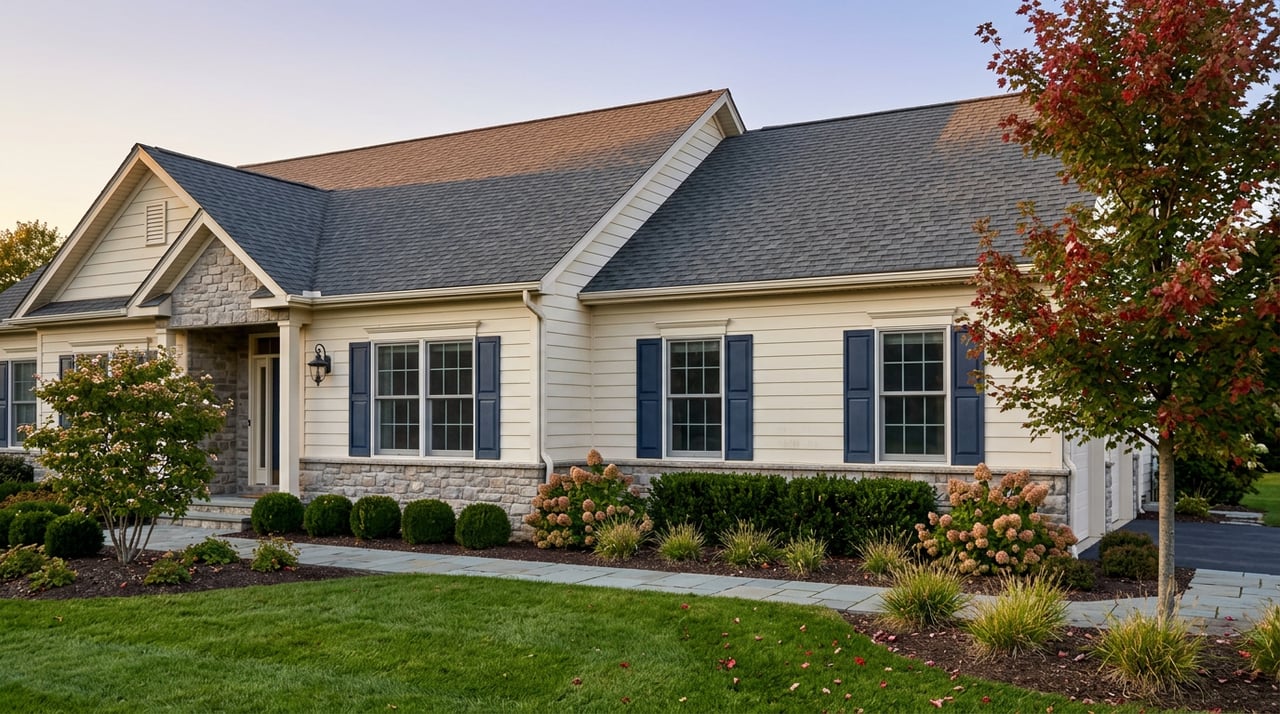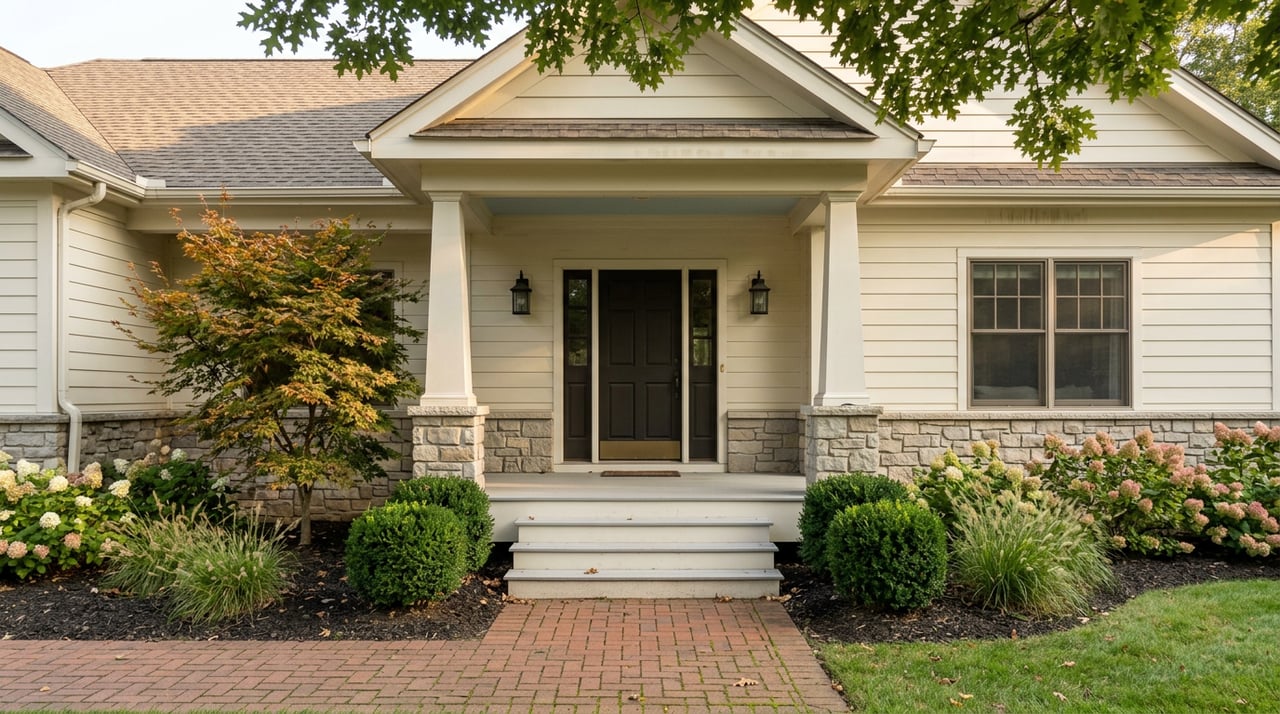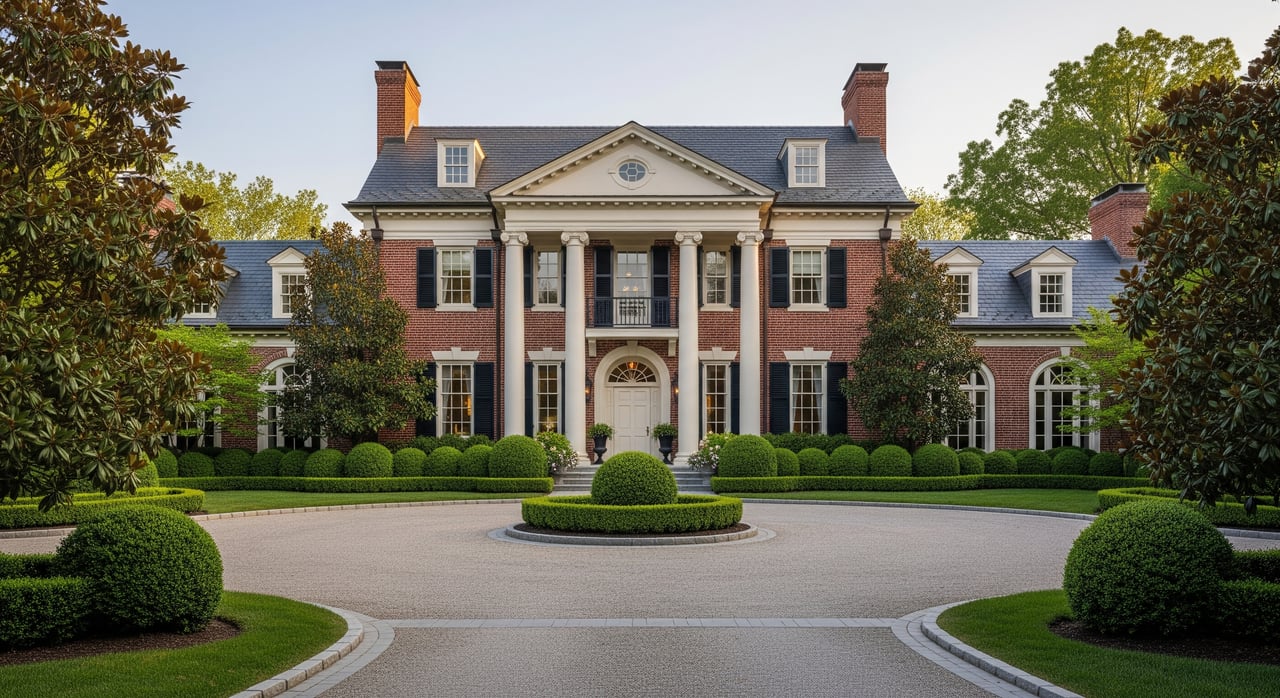
PCS orders in hand and not enough time to fly in for house hunting? You are not alone. Many service members and federal employees land a Stafford assignment on tight timelines with little room for travel. This guide shows you how to buy your Stafford home remotely with confidence, from virtual tours to secure closings, so you arrive on time and within budget. Let’s dive in.
Why Stafford works for PCS buyers
Stafford sits along the I‑95 corridor with access to Marine Corps Base Quantico, Fort Belvoir, and federal offices across the Washington region. Commutes to Quantico from many Stafford neighborhoods are often under 20–30 minutes, depending on location and traffic. Always verify your drive using your expected work hours and preferred routes. Check for base gate access and parking details on the official Marine Corps Base Quantico site as you plan.
Housing and neighborhoods
You will find a mix of single‑family homes, townhomes, and new subdivisions, plus some older neighborhoods. Lot sizes and construction ages vary across the county. If schools matter, confirm current school zones directly with Stafford County Public Schools since boundaries can change.
Utilities, taxes, and HOAs
Parts of Stafford connect to public water and sewer, while others use well and septic. Ask early about utility type and plan for any required tests if a property is on well or septic. For permits, tax details, and county services, use the Stafford County official website. If a home is in an HOA, request CC&Rs, fees, and resale disclosures before you finalize your decision.
Your remote home buying game plan
Follow these steps to mirror an in‑person purchase while you stay mission‑ready:
- Get pre‑approved and confirm VA COE. If you are using a VA loan, secure your Certificate of Eligibility early through VA.gov’s COE process.
- Choose a local agent experienced with remote PCS. Look for a partner who offers live video tours, inspection coordination, and closing support for out‑of‑area buyers.
- Narrow neighborhoods by commute and needs. Map drive times to your duty station, consider your schedule, and note HOA or utility preferences.
- Start virtual property discovery. Request live video tours, 3D tours, floor plans, and complete photo packages. Ask for neighborhood drive‑through videos at different times of day.
- Write a strong, clear offer. Include inspection and financing contingencies, and right‑to‑terminate timelines that fit appraisal and inspection windows.
- Schedule inspections and attend by video. Join via FaceTime or Zoom. Ask for photo‑rich reports and demonstrations of key systems.
- Order title work and confirm survey needs. Title companies or settlement attorneys handle title searches. If boundaries matter, request a survey.
- Prepare for appraisal and repairs. VA appraisals apply Minimum Property Requirements and may require repairs before closing. Build in time for any fixes.
- Finalize closing logistics. Confirm which documents can be e‑signed, whether remote notarization is allowed, and how funds will be transferred.
- Coordinate your move. Once you have a firm closing date, contact TMO or your mover and plan temporary lodging and storage if needed.
- Set up utilities and address changes. Some providers allow remote setup, but a technician visit may be required.
- Post‑closing handoff. Confirm recording, key transfer, and lockbox or mailbox steps so you can arrive and settle in fast.
VA loan details to handle early
VA loans are common for military buyers and offer competitive terms. Start by securing your COE and choosing a lender well‑versed in remote military closings. The VA requires intent to occupy as a primary residence, with some exceptions for active duty based on assignment. Review program basics on VA home loans, and coordinate with your lender on any occupancy certifications you may need.
Power of Attorney and who signs at closing
If you cannot attend closing, a Power of Attorney can allow a trusted person to sign on your behalf. Lenders and title companies have specific POA formats and timing requirements. Start POA conversations early so your documents meet both state law and lender standards.
Virtual tours and inspections that work
Virtual tools help you shortlist homes before you set foot in Stafford. Ask your agent for full walk‑throughs that include ceilings, floors, mechanicals, electrical panels, the water heater, foundation, grading, and roof views if available. Combine live tours with 3D scans and floor plans so you can verify room sizes and flow.
For inspections, plan to attend remotely. Request a comprehensive, photo‑heavy report and ask the inspector to demonstrate HVAC, hot water, and sump pump operation, and to check crawl spaces. Verify inspector licensing and credentials with the Virginia licensing authority, such as the Virginia DPOR Home Inspectors Board, and ask for proof of insurance and a sample report.
Title, HOA documents, and remote closings
Your title or settlement agent will conduct a title search to verify ownership, liens, and easements. If the property is in an HOA, ask for CC&Rs, financials, and the resale disclosure package early so you can review rules on rentals, pets, and assessments.
E‑signatures are standard for many documents. Some closings can use Remote Online Notarization depending on state rules and lender policies. Check RON status and best practices with the National Notary Association and confirm the closing plan with your settlement agent. For Virginia notarial processes, consult the Secretary of the Commonwealth’s notary resources.
Security and wire safety
Wire fraud is a real risk in real estate transactions. Always confirm wiring instructions by calling your title company using a verified phone number, not one from an email. Follow the anti‑fraud guidance from the Consumer Financial Protection Bureau and use secure platforms for all document exchanges.
Commute planning from your couch
Map your work hours against I‑95, US‑1, and local roads to see how traffic patterns affect your drive. Use current navigation tools to test routes from specific neighborhoods to your gate or office. If you are Quantico‑bound, review base access and parking updates on MCB Quantico’s official site.
Move coordination and TMO timing
Once your ratified contract sets a target closing date, coordinate with TMO or your moving company so your household goods arrive on schedule. If you need a buffer, consider temporary lodging and short‑term storage. For PCS checklists and support, tap Military OneSource’s PCS resources.
What your on‑the‑ground partner handles
A strong local partner makes remote buying smooth. Here is what you can expect from a concierge approach:
- Live video tours and neighborhood drive‑throughs at different times of day
- Inspector, contractor, and vendor access for estimates and repair verification
- Digital document exchange and coordination for any wet‑signed items
- Closing day presence if you use a POA, plus key transfer and handover logistics
- Referrals for utilities, movers, childcare, and local services
Ready to make Stafford home without stepping off mission? Work with a Military Relocation Professional who handles the details, communicates clearly, and keeps your closing secure and on schedule. If you are planning a PCS to Stafford, connect with Michelle Nicely to start your stress‑free move.
FAQs
Can I complete a Stafford home purchase fully remote?
- Yes. Many buyers close remotely using e‑signatures and either Remote Online Notarization or a Power of Attorney. Confirm your lender and settlement agent accept your chosen method.
How does a VA loan affect a remote purchase?
- VA loans add a VA appraisal with Minimum Property Requirements and an occupancy certification. Start early on your COE and allow time for any appraisal‑required repairs.
What inspections should I order if I cannot attend?
- Schedule a general home inspection plus termite, radon, and any system‑specific checks as needed. Join by video and request a photo‑rich report with system demonstrations.
Is remote notarization available for Virginia closings?
- Virginia allows forms of electronic and remote notarization. Your title company and lender will confirm what is acceptable for your specific closing and loan type.
How do I avoid wire fraud during closing?
- Never rely on email‑only wiring instructions. Call your title company using a verified number to confirm details and follow their multi‑factor verification steps.