If you are thinking about a simpler home and an easier routine in the Fredericksburg area, you are not alone. Many seniors and families want less upkeep without losing comfort, community, or care. The good news is you can move at your own pace with a clear plan and trusted local resources. In this guide, you will get a step‑by‑step roadmap, local 55+ and care options, aging‑in‑place tips, and who to call first. Let’s dive in.
Fredericksburg downsizing options at a glance
Downsizing is not one size fits all. In the Fredericksburg region, you can choose from aging in place with smart home updates, active‑adult 55+ neighborhoods, 55+ apartment communities, or assisted living and memory care.
55+ and active‑adult choices
If you want low‑maintenance living without giving up independence, explore 55+ communities. Examples include the single‑family section at Virginia Heritage at Lee’s Parke in the Fredericksburg area, attached villas at Havenwood Villas in Stafford, and a club‑style 55+ apartment option at Jubilation in Fredericksburg. These show the range from owner‑occupied homes to amenity‑rich apartments.
- What to compare: HOA services, lawn and snow care, floor plan accessibility, garages, and proximity to doctors, shopping, and family.
- Tip: Ask about one‑level living, first‑floor owner’s suites, and elevator access in apartments.
Assisted living and memory care
Assisted living provides 24/7 oversight, help with daily activities, meals, and medication management. Memory care adds secure design and specialized programming for residents living with dementia. In Virginia, assisted living facilities are licensed and monitored by the state. You can review licenses and inspection histories through the Virginia Department of Social Services. Use the state portal to view any facility’s record before you decide by visiting the VDSS Assisted Living licensing and inspection page.
- Local note: You will find assisted living choices in the city and neighboring counties, plus smaller sites in nearby towns like Louisa. Smaller communities can feel familiar and may be closer to relatives.
- Health partners: If your move follows a hospital stay, include the hospital discharge planner or case manager early. For Fredericksburg‑area care transitions and referrals, start with Mary Washington Healthcare and your physician team. Spotsylvania Regional Medical Center is another local acute care partner to include in the conversation.
Your gentle downsizing roadmap
A slower, organized approach reduces stress. Choose the timeline that fits your situation and energy level.
Six‑month plan for a calm transition
Months 5–6: Set your direction. Decide if you will age in place with home updates, move to a 55+ community, or plan an assisted‑living transition. Contact the Healthy Generations Area Agency on Aging for local referrals, caregiver supports, and benefits counseling. The team is a central hub for help in our region. Reach them through the Healthy Generations AAA page. Gather vital documents like ID, deeds, insurance, banking, and medical records.
Months 3–4: Begin room‑by‑room decluttering. Schedule donation pickups and, if needed, an estate sale or consignment. Interview senior move managers or local moving companies for estimates. Measure your next space and decide what fits. A national guide recommends engaging a certified senior move manager two to six months before a complex transition. For an overview of services and a planning checklist, review this senior move manager guide.
Months 1–2: Finalize your housing choice and reserve movers and packers. If aging in place, schedule small repairs or accessibility work. Arrange donation and trash removal. In the last two weeks, confirm utility transfers and mail forwarding. Pack a clearly labeled “first‑night” box with medications, chargers, basic dishes, and clothes.
Three‑month plan when you need momentum
Focus on the essentials first. Prioritize the bedroom, bathroom, kitchen, and high‑value or high‑emotion items. Set firm donation and sale dates. If possible, hire a senior move manager to keep tasks on track. If you plan to age in place, get contractor quotes now for any accessibility adjustments.
Two to four weeks for a quick or urgent move
Protect safety and daily routine. Gather medications, key documents, and a small set of daily clothes and supplies. Use short‑term storage for items you are undecided about. Ask the Area Agency on Aging or a hospital case manager about short‑term respite or transitional options if you need a safe place between homes.
Decluttering that respects memories
Downsizing is easier when you use a simple framework: keep, donate, sell, or toss. Start with daily routine items and safety gear that you rely on. Then decide what you love and what truly fits the new floor plan. A small “memory box” can protect special keepsakes like photos, medals, or letters without taking up space.
- Professional help: Senior move managers can handle sorting, packing, estate sales or online auctions, donation pickups, and cleanouts.
- Local partners: Habitat for Humanity ReStore often accepts quality furniture and building materials. For basic safety repairs like ramps or railings, check local programs. The Fredericksburg‑area Habitat affiliate lists a repair program you can review at the Habitat Home Repair Program page. Community guides such as regional transition booklets also list 211 Virginia and emergency repair funds your family can explore.
Smart aging‑in‑place upgrades
If you prefer to stay in your current home, focus on high‑impact safety features.
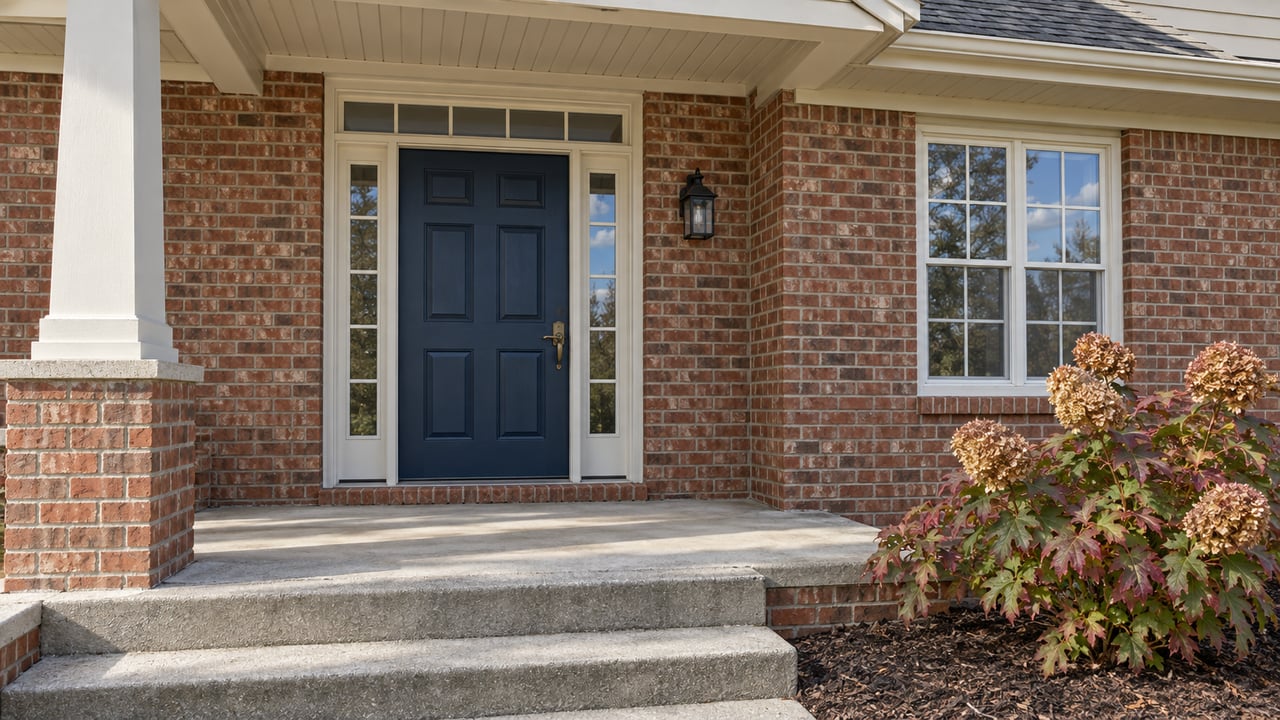
- Entry: A ramp or zero‑step entry, bright exterior lighting, and a covered entry help you come and go safely.
- Hallways and doors: Wider openings where possible, secure floor transitions, and no loose rugs reduce trips.
- Bathroom: A walk‑in or roll‑in shower, sturdy grab bars, a shower bench, lever handles, and anti‑scald valves protect you from falls and burns.
- Kitchen: Pull‑out shelves, lowered or reachable storage, and lever‑style faucets make daily tasks easier.
- General safety: Non‑slip floors, consistent lighting in hallways and stairs, and simple smart‑home alerts for smoke, carbon monoxide, and emergencies.
For a free, room‑by‑room checklist you can print and use with family or contractors, download the AARP HomeFit Guide.
Who to call for assessments and work
- Occupational therapist or aging‑in‑place assessor: Get a prioritized, professional view of your safety needs.
- Certified Aging‑in‑Place Specialist or universal‑design contractor: Interview at least two, ask for written estimates, proof of insurance, and references. A national resource directory can help you find vetted professionals at the HomeMods consumer awareness page.
- Funding and low‑cost help: Start with the Healthy Generations Area Agency on Aging for local program referrals, caregiver supports, and benefits guidance at the AAA page. Community organizations and emergency repair funds sometimes cover basic safety fixes like ramps or railings. Keep notes from your AARP HomeFit walkthrough to share with any contractor.
Tour and compare communities with confidence
When you tour a 55+ or assisted‑living community, arrive with clear questions and a simple verification checklist.
- Licensing and inspections for assisted living: Ask to see the Virginia license and review recent inspections or complaint histories. Learn how to read findings and note any repeat issues. Use the state’s portal at the VDSS ALF licensing and inspection page.
- Care and staffing: Ask about staff‑to‑resident ratios, nurse access, training for dementia care, and nighttime staffing.
- Services and fees: Understand what the base rate includes, like meals, utilities, housekeeping, and transportation, and what costs extra, such as levels of care and medication management. Ask about rate increases and refund policies.
- Transitions and rehab: Ask whether the community can support higher care levels later and if it partners with local hospitals or rehab for short‑term stays.
- Daily life: Learn about routines, activities, emergency response times, and family involvement or visitation.
Coordinate the move in the right order
Use this sequence to save time and reduce stress.
- Area Agency on Aging: Contact Healthy Generations first for local referrals, transportation, and caregiver supports at the AAA page.
- Hospital discharge planner or case manager: If the move follows a hospital stay, align medical needs with your next housing. Start with your team at Mary Washington Healthcare.
- Senior move manager: For project management, decluttering, packing, and move day, review what to expect using this senior move manager checklist.
- Certified contractor or occupational therapist: Line up accessibility work if you are aging in place. Find resources via HomeMods.
- Donation and repair partners: Schedule pickups and any safety repairs well before key dates. For local repair support, start with the Habitat Home Repair Program page.
Quick moving‑day checklist
- Pack an essentials box with 7 to 14 days of medications, chargers, documents, toiletries, two outfits, basic dishes, and a small tool kit.
- Confirm mover arrival time, label boxes by room and priority, and assign one family point person for decisions.
- Photograph valuables and create a simple inventory.
- Confirm utility on and off dates, set up mail forwarding, and transfer prescriptions and doctors.
How Michelle Nicely supports your move
Downsizing touches both logistics and emotions. As a Senior Real Estate Specialist (SRES) and The Senior Home Coach of VA, Michelle brings patient guidance, accurate pricing, and a hands‑on, concierge approach. You get help coordinating stagers, photographers, packers, trusted contractors, and senior‑placement referrals so you never feel alone in the process. Whether you are right‑sizing to a Fredericksburg 55+ community, retrofitting to age in place, or planning a supportive‑care transition, you will have a clear plan and a steady advocate.
Ready to map your next step with a calm, proven process? Let’s talk about your goals and timeline. Connect with Michelle Nicely to start your stress‑free move.
FAQs
What is the difference between a 55+ community and assisted living in Fredericksburg?
- 55+ communities are age‑restricted neighborhoods with amenities but little or no personal care, while assisted living provides 24/7 oversight, daily‑living help, meals, and medication support.
How do I check a Virginia assisted‑living license and inspections before choosing a facility?
- Use the state’s portal to view licenses, inspection results, and complaint histories at the VDSS ALF licensing and inspection page.
Who should I contact first for local senior services and caregiver support around Fredericksburg?
- Start with the Healthy Generations Area Agency on Aging for referrals, benefits counseling, transportation, and caregiver programs at the AAA page.
What if my parent is being discharged from a Fredericksburg hospital and needs a quick housing plan?
- Ask the hospital discharge planner or case manager to coordinate care needs with next‑step housing and request referrals from Mary Washington Healthcare.
Are there 55+ apartment options near Fredericksburg besides single‑family homes?
- Yes, club‑style 55+ apartments like Jubilation offer amenities, social programs, and maintenance‑free living without homeownership.
What checklist can I use to make my current home safer if I choose to age in place?
- Download and follow the room‑by‑room AARP HomeFit Guide for practical upgrades and planning worksheets.