If you are thinking about living in Stafford, Virginia, your daily routine may come down to one simple question: do you want more space without giving up access to the wider D.C. and Northern Virginia region? For many buyers, sellers, and relocating households, that balance is exactly what makes Stafford appealing. Understanding how the county feels day to day can help you decide whether it fits your lifestyle, commute, and housing goals. Let’s dive in.
What Daily Life Feels Like
Everyday life in Stafford tends to feel suburban, spread out, and closely tied to commuting patterns. Current Census data shows 55,985 housing units, an 80.5% owner-occupied housing rate, a median owner-occupied home value of $485,100, and a median gross rent of $2,020. Those numbers point to a county where many residents put down roots rather than treat the area as a short-term stop.
The pace of life is often shaped by routines that start at home, move through major road corridors, and circle back to neighborhoods with more room to spread out. Stafford is not centered around one compact downtown, so errands, dining, and daily tasks usually happen along commercial corridors and local activity nodes. If you like a suburban layout with practical convenience, that pattern may feel familiar and comfortable.
Another part of daily life here is digital convenience. Census data shows 96.8% of households report a broadband subscription, and 98.5% report having a computer. That strong level of connectivity supports remote work, online school tasks, and the kind of flexible daily rhythm many households now need.
Stafford Housing Patterns
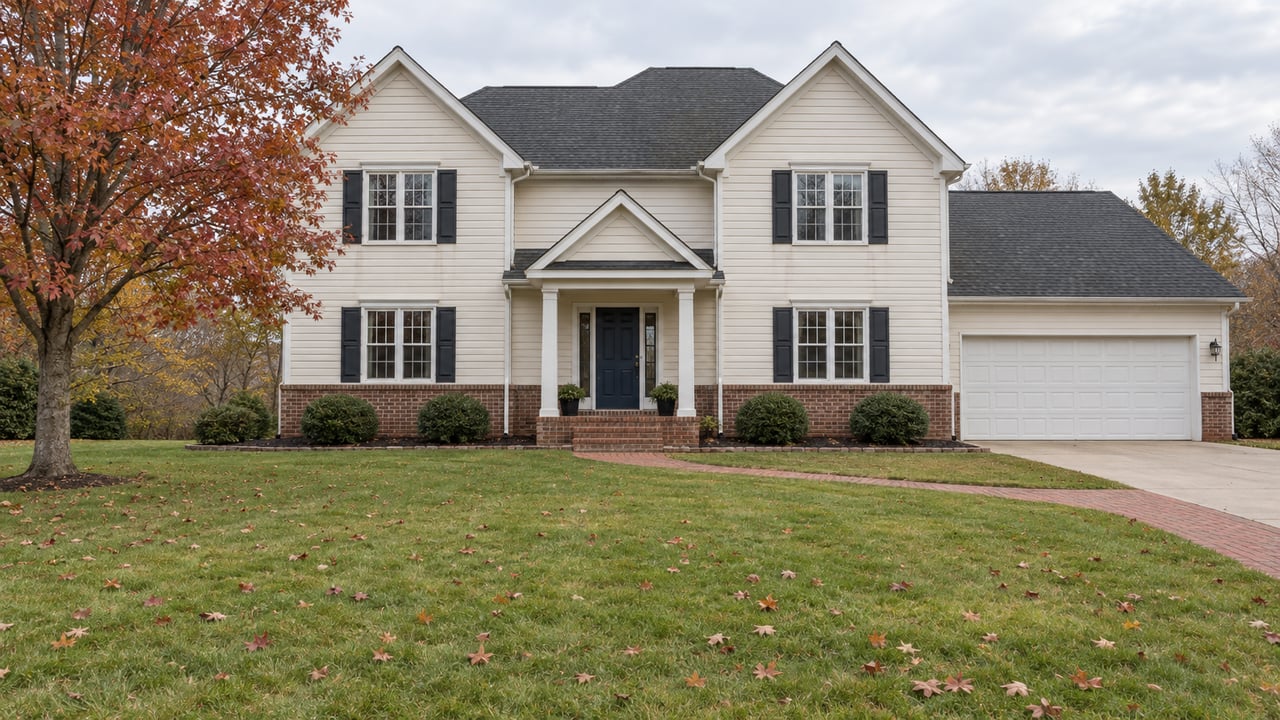
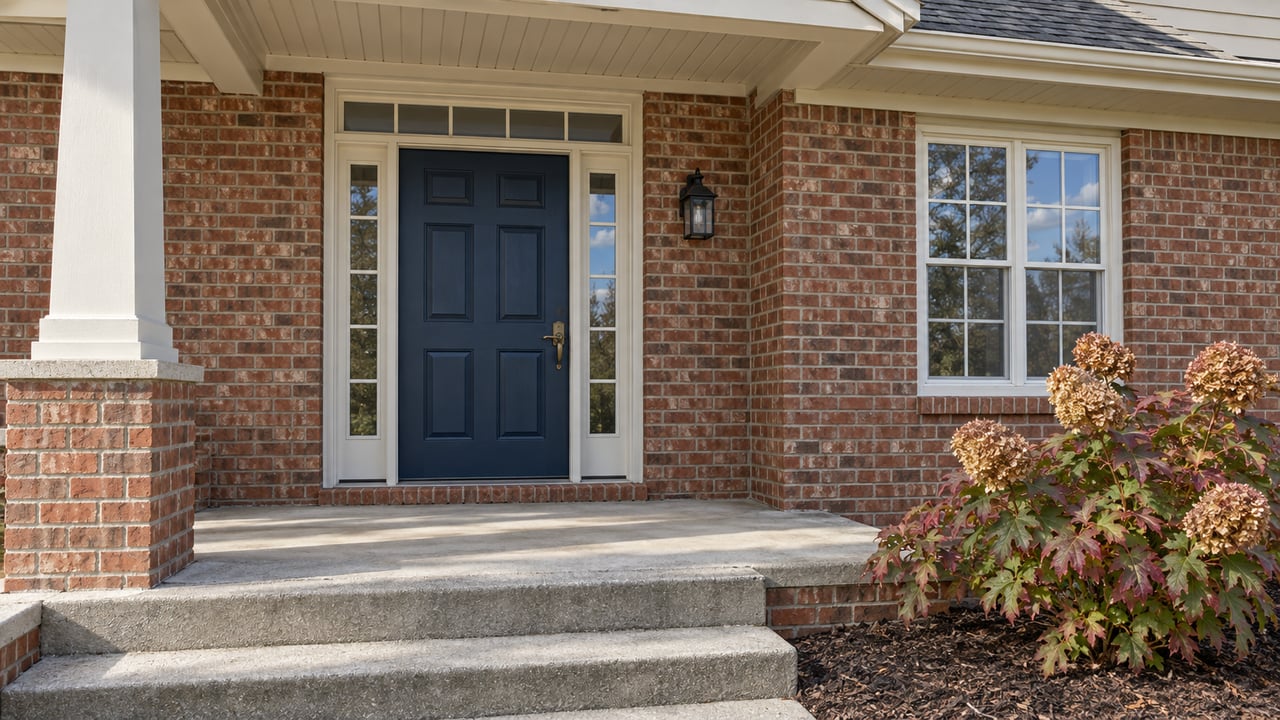
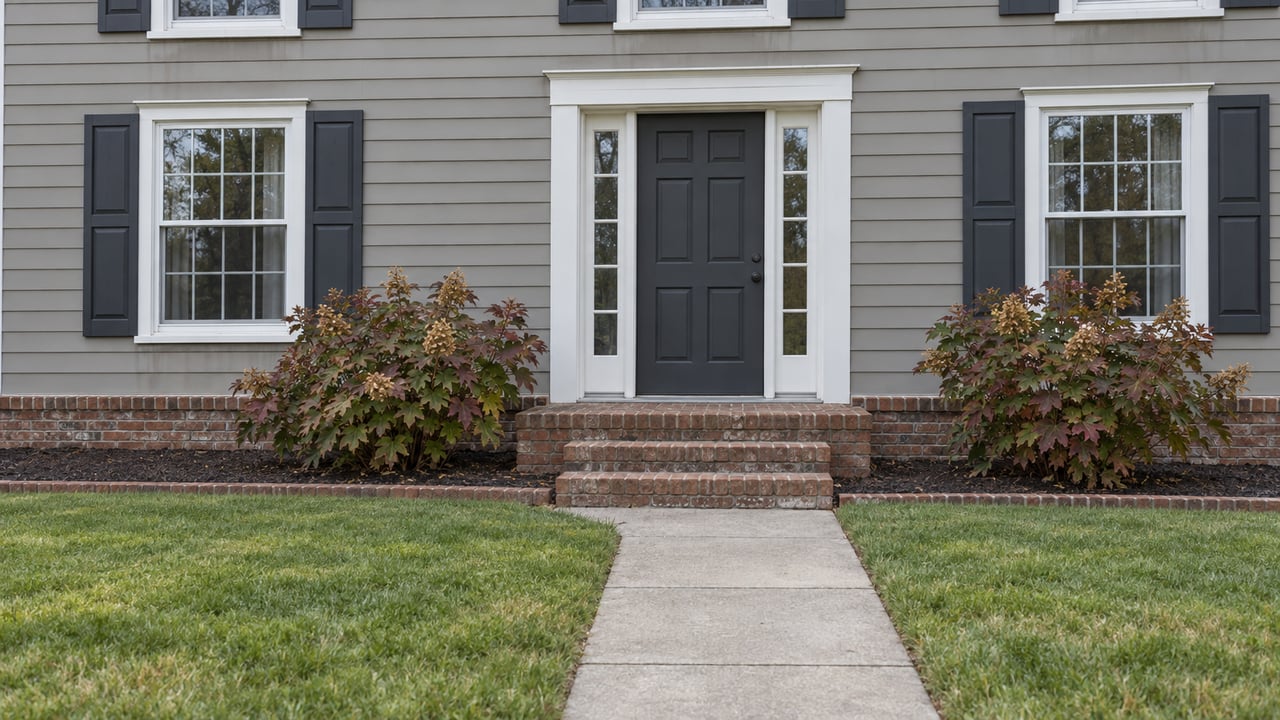
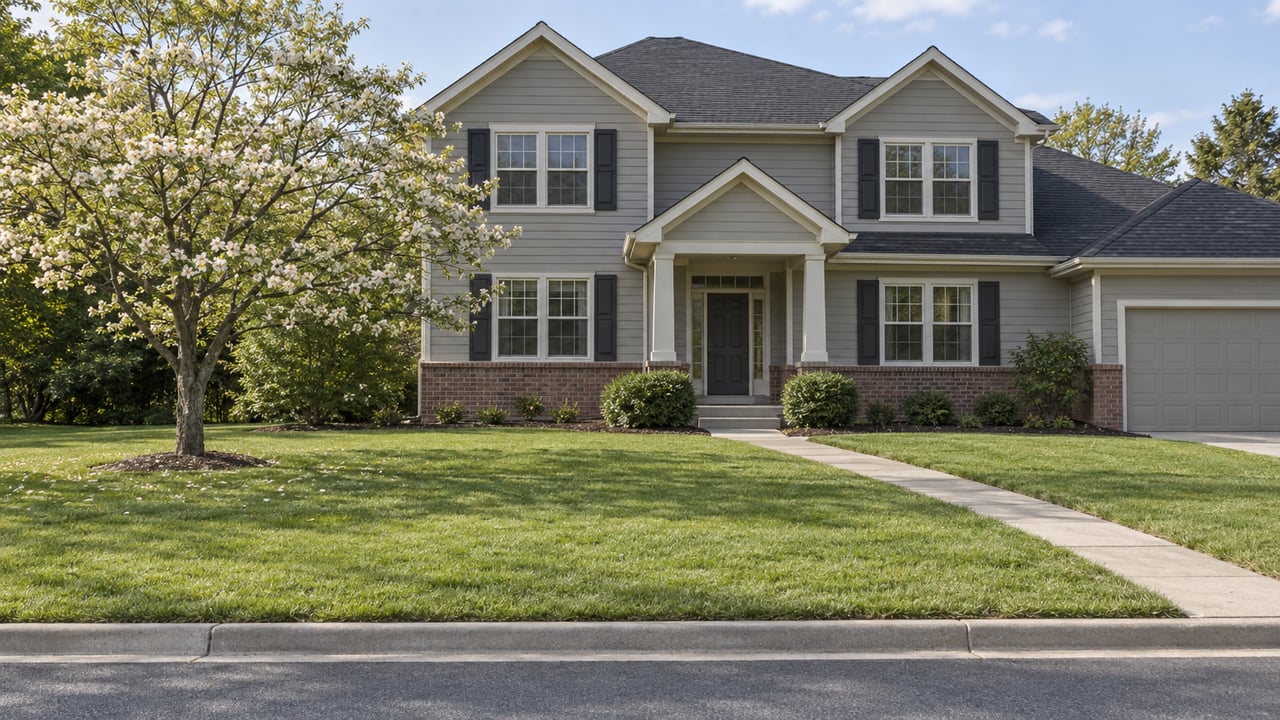
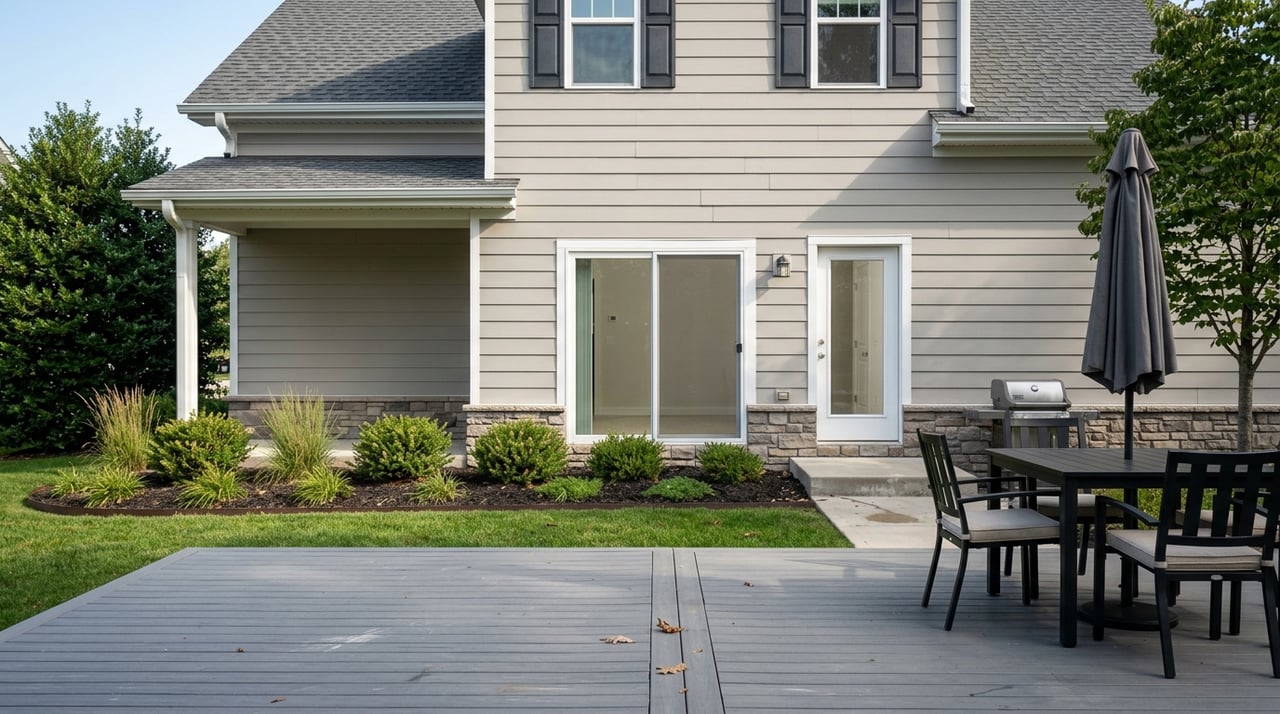
Stafford’s housing pattern is one of the clearest clues to what life here looks like. According to the county’s land-use plan, suburban areas are made up primarily of single-family detached homes on roughly quarter-acre to half-acre lots. In simple terms, detached homes are the default in much of the county.
Townhomes and apartments do exist, but they are generally concentrated in selected growth areas or places already zoned for higher density. That means your housing search in Stafford may feel different from a more urban market where attached housing is the norm. If you are looking for yard space, garage space, or a little more separation from neighbors, Stafford’s overall pattern may line up well with your priorities.
The county also continues to add housing. Recent county data shows 450 building permits in 2025, which points to ongoing residential activity. For buyers, that can mean a mix of established neighborhoods and newer housing options depending on where you focus your search.
Commuting in Stafford
Commuting is a major part of everyday life in Stafford. Census data shows a mean commute time of 36.1 minutes, which helps explain why road access, park-and-ride options, and travel timing matter so much here. If you are moving to Stafford, it is smart to think about your route just as carefully as you think about the home itself.
In north Stafford, Route 610, also known as Garrisonville Road, is the main east-west route connecting western parts of the county to Stafford Market Place near I-95. In south Stafford, US Route 17, or Warrenton Road, serves a similar purpose by linking rural stretches with commercial centers near I-95. These roads are central to everyday movement across the county.
Stafford offers strong highway access, but peak-hour traffic is part of the picture. The county’s transportation master plan flags congestion at the I-95 and Garrisonville interchange and along the Route 17 corridor. So while the county works well for many commuters, your experience can depend heavily on when and where you travel.
Transit and Rideshare Options
Stafford is not limited to driving alone. The county transportation plan states that VRE operates two commuter rail stations in Stafford County and provides service to Union Station in Washington, D.C. The VRE system map lists Brooke Station on Brooke Road in Stafford, giving some commuters a rail option for reaching the region.
Bus and rideshare options add more flexibility. OmniRide serves three Stafford County park-and-ride lots: Staffordboro/Mine Road, Courthouse Road, and US-17. OmniRide express buses also connect Stafford to major employment centers in Northern Virginia and Washington, D.C.
For households trying to reduce solo driving, GWRideConnect supports carpools, vanpools, and other ridesharing options. That does not make Stafford a transit-first place, but it does give commuters several ways to build a routine that works for them. If you need regional access but do not want to rely on one option alone, that variety can be helpful.
Parks and Outdoor Time
Parks and recreation play a meaningful role in everyday life in Stafford. The county’s comprehensive plan says Stafford maintains 24 park and recreation facilities countywide. That gives residents a steady range of places to walk, play, gather, and spend time outside close to home.
Several parks stand out for their variety of amenities. Aquia Landing includes a beach and picnic pavilions, while Government Island offers a 1.5-mile trail and elevated boardwalk. Curtis Memorial Park includes a pool, trail, disc golf, skate park, tennis courts, and golf, giving you multiple ways to use one destination.
Other spaces add to the county’s outdoor appeal. Embrey Mill Park has lighted fields, and the Belmont-Ferry Farm Trail links Brooks Park, John Lee Pratt Memorial Park, and Historic Port of Falmouth. For many households, easy access to parks is part of what makes the suburban layout feel balanced.
Errands and Everyday Convenience
In Stafford, convenience is usually built around corridors rather than one main town center. The county’s land-use plan says commercial development should be oriented along arterial corridors or at nodes, with neighborhood-oriented activity centers, retail, business uses, parks, and places of worship supporting suburban life. In practical terms, you will likely handle everyday errands by driving between key hubs rather than walking from block to block.
That setup can work well if you value easy parking, larger retail areas, and the ability to combine several errands into one trip. It may feel less ideal if your goal is a highly walkable lifestyle with most daily needs clustered in one compact area. Knowing that difference ahead of time can help you choose the right part of Stafford for your routine.
Libraries also support day-to-day life here. Stafford has two public library branches, the John Musante Porter Branch in Garrisonville and the England Run Branch in Falmouth. The county’s comprehensive plan says both branches provide free computer access and Wi-Fi, which adds another useful layer of community convenience.
Who Stafford May Fit Best
Stafford tends to fit people who want suburban space, solid regional access, and enough local services to support daily life without living in a dense inner suburb. The county’s housing pattern, road network, and corridor-based development all point in that direction. If your ideal routine includes more home space and room to spread out, Stafford may be worth a closer look.
It can also be a practical choice for commuters who are willing to trade a longer drive or transit ride for that extra space. This may especially resonate with military households, remote workers who still need regional access, and buyers who want a more spread-out setting. For these groups, Stafford can offer a useful balance between home life and connection to larger job centers.
On the other hand, Stafford may be a weaker fit if you want a highly walkable, transit-first lifestyle. The county is designed more around suburban movement patterns than compact urban living. That does not make it better or worse, but it does make it important to match the area to the way you actually live.
What This Means for Your Move
If you are considering a move to Stafford, everyday life here is often less about a postcard image and more about practical fit. Your experience may come down to how much space you want, how often you commute, and whether corridor-based convenience feels easy or frustrating to you. Those are the kinds of details that matter long after move-in day.
That is also why local guidance can make such a difference. Whether you are relocating for work, downsizing, buying your first home, or helping a loved one through a major transition, it helps to have someone who understands how neighborhoods, commute patterns, and housing types shape daily life. With the right plan, you can focus on finding not just a house, but a routine that feels sustainable and comfortable.
If you are weighing a move in or around Stafford and want thoughtful, local guidance, Michelle Nicely offers the kind of high-touch support that can make your next step feel clearer and less stressful.
FAQs
What is daily life like in Stafford, Virginia?
- Daily life in Stafford is generally suburban, commute-aware, and spread across neighborhoods, road corridors, parks, and retail hubs rather than one compact downtown area.
What types of homes are common in Stafford, Virginia?
- Stafford is primarily made up of single-family detached homes, often on roughly quarter-acre to half-acre lots, with townhomes and apartments found in selected higher-density areas.
How long is the average commute in Stafford, Virginia?
- Census data shows the mean commute time in Stafford is 36.1 minutes, so commuting is an important part of many residents’ routines.
What roads are most important for getting around Stafford, Virginia?
- Route 610, known as Garrisonville Road, is a key route in north Stafford, and US Route 17, known as Warrenton Road, is a major route in south Stafford.
Does Stafford, Virginia have commuter transit options?
- Yes. Stafford has VRE commuter rail service, OmniRide park-and-ride lots and express buses, plus ridesharing support through GWRideConnect.
Are there parks and recreation options in Stafford, Virginia?
- Yes. Stafford maintains 24 park and recreation facilities, including places like Aquia Landing, Government Island, Curtis Memorial Park, Embrey Mill Park, and the Belmont-Ferry Farm Trail.
Is Stafford, Virginia a good fit for a walkable lifestyle?
- Stafford may be a weaker fit for buyers seeking a highly walkable, transit-first lifestyle because daily life is generally organized around driving and corridor-based convenience.