What will the appraiser see when they walk through your King George home? If you are buying, selling, or refinancing, the appraisal can feel like a black box that decides what happens next. You deserve a clear picture of the process and how to support your home’s value. In this guide, you will learn how appraisals work in Virginia, what appraisers look for in our area, program differences for conventional, FHA, and VA loans, and simple steps to prepare. Let’s dive in.
Why appraisals matter
An appraisal is an independent, professional opinion of market value for a specific date and purpose. Lenders rely on it to confirm the home is adequate collateral for the loan. The lender orders the appraisal after the contract and loan application, and the borrower typically pays the fee as part of closing costs.
Appraisers in Virginia must be licensed or certified and follow the Uniform Standards of Professional Appraisal Practice. State oversight runs through the Virginia Real Estate Appraiser Board under DPOR. You can expect a credentialed professional who follows standardized methods and reporting.
How appraisals work in Virginia
The lender places the order, the appraiser schedules, then inspects the interior and exterior. Afterward they gather market data, select comparable sales, analyze the findings, and deliver the report to the lender. Timing often ranges from several days to two weeks, depending on workload and property complexity.
Most single-family homes use the Uniform Residential Appraisal Report, sometimes called Form 1004. Manufactured homes, small multi-family, and certain loan programs use different forms. Your lender may also request photos, a floor plan, or program-specific addenda.
What appraisers evaluate
Appraisers review three areas: the property itself, the neighborhood and market, and comparable sales. Each category helps shape value.
Property features that influence value
- Gross living area and layout, including how square footage is measured and which areas are finished and heated
- Bedroom and bathroom counts, plus whether the floor plan functions well
- Condition and upkeep, including roof, HVAC, water heater, and any visible deferred maintenance
- Quality of construction and finishes, from materials to energy upgrades and permitted additions
- Site features such as lot size, access, topography, privacy, and landscaping
- Systems and safety items, including electrical, well and septic components, and crawlspace access when present
- Permit status for improvements, since documented permits and final inspections support value
King George market factors
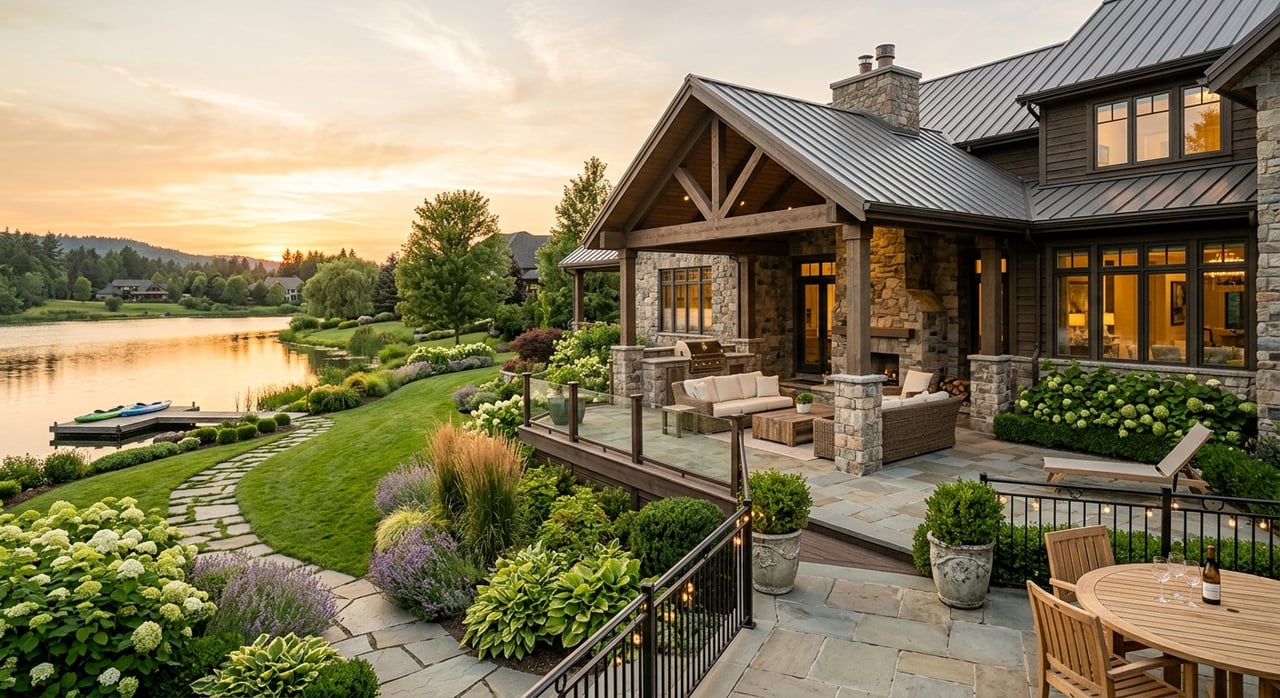
Local context matters. In King George County, demand can be shaped by the Naval Surface Warfare Center Dahlgren Division and commuting patterns into Northern Virginia and the broader DC region. Many properties are semi-rural, so wells and septic systems are common and must be in serviceable condition. Proximity to the Potomac or Rappahannock brings both premium views and potential flood considerations, which can affect value and insurability.
Comparable sales and rural realities
Appraisers aim to use recent, arms-length sales of similar homes in the same area, often within the last 3 to 12 months. In rural settings or for unique homes like waterfront properties, nearby comps can be scarce. In those cases, appraisers may use sales that are farther away or older, then make measured adjustments. This can increase uncertainty and lead to wider value ranges.
Loan program differences
Not all appraisals are the same. Each loan program has guidelines that can affect both value and repair requirements.
- Conventional loans typically use the URAR and follow Fannie Mae and Freddie Mac guidance for comps and adjustments.
- FHA appraisals include minimum property standards focused on safety and habitability. Certain issues may need repair before closing.
- VA appraisals result in a Certificate of Reasonable Value and also check minimum property requirements. VA is often more specific about crawlspaces, HVAC, and structural items.
If a health or safety item is flagged on FHA or VA, it may need to be corrected before the loan can be endorsed, even if market value supports the contract price.
Prepare for the appraisal
A clear, well-documented presentation helps the appraiser verify features and condition quickly and accurately.
Documentation checklist
- Signed purchase contract with price and terms
- A brief list of recent comparable sales you or your agent reviewed, including sale dates
- Permits and final inspections for additions or renovations
- Receipts and scopes of major updates, such as roof, HVAC, kitchens, baths, or structural work
- Property survey or plat showing boundaries and easements
- HOA or POA documents, if applicable, with fee details
- Septic inspection reports or well water test results if the property is on private systems
- Flood elevation certificate or recent determination for waterfront or low-lying lots
- Recent property tax bill and deed copies if title details affect comparability
Make the inspection smooth
- Unlock gates and provide access to garages, attics, electrical panels, HVAC closets, basements, and crawlspaces
- Ensure utilities are on, including hot water, so systems can be verified
- Offer a concise list of updates with completion years
- Post a simple inventory of included built-in items and appliances
Avoid these missteps
- Do not push for a specific value. Share facts and documents instead
- Do not rely only on tax assessments or online estimates
- Do not attempt to influence which appraiser is assigned
When comps are scarce
If your home is unique, prepare a short memo that explains what sets it apart, such as waterfront setting, acreage, or a recent full renovation. Include sales of similarly unique properties, even if they are slightly older or farther away. This context can help the appraiser select the best available comps and make reasonable adjustments.
Waterfront, septic, and flood notes
Water proximity can add both value and risk. Elevation, shoreline condition, erosion control, and flood insurance factors all matter. For waterfront or low-lying King George homes, assemble elevation certificates, recent surveys, and any shoreline or bulkhead repair records.
If your property relies on a private well or septic system, recent inspection reports help confirm operability and can prevent delays. Appraisers also often reference county tax records, GIS maps, and permitting history to verify lot size and improvements.
If the value comes in low
Several outcomes are common. Sometimes the appraised value matches the contract price, and the loan proceeds after underwriting. If the value comes in lower, you have options.
- Ask your lender about a Reconsideration of Value. Provide recent comps, corrections to factual errors such as square footage or room counts, and documented improvements
- Renegotiate the contract price with the other party
- Bring additional cash to bridge the difference between price and appraised value
- In some cases, the lender may order a second appraisal or a desk review
- If program requirements flag repair items for FHA or VA, complete those repairs so the loan can move forward
Local support, start here
In King George and the Fredericksburg area, transactions can involve waterfront nuances, wells and septic systems, unique acreage, and segments tied to NSWC Dahlgren. You do not need to navigate that alone. With pricing expertise and a calm, concierge approach, you can prepare the right documents, present your home clearly, and keep your timeline on track.
If you would like help coordinating prep, staging, photography, or gathering the right paperwork for your appraisal and loan program, reach out to Michelle Nicely. You will get steady guidance tailored to your situation and goals.
FAQs
What happens during a Virginia home appraisal inspection?
- The appraiser walks the exterior and interior, notes features and condition, takes photos, measures living area, and verifies systems and spaces that affect value.
How long does a King George appraisal take from start to finish?
- Scheduling, inspection, analysis, and reporting often take several days to two weeks, depending on workload and property complexity.
What do FHA and VA appraisers require beyond market value?
- They check minimum property standards for safety and habitability, and may require repairs to items like heating, electrical, crawlspace access, or structural issues before closing.
How can I support value for a waterfront home in King George?
- Provide elevation certificates, recent surveys, shoreline or bulkhead documentation, and a clear record of updates, plus nearby waterfront comps if available.
Can I meet the appraiser and share comparable sales?
- Yes, you can offer factual information like recent comps, updates, and permits, but avoid directing the appraiser to a specific number.
What are my options after a low appraisal in Virginia?
- Request a Reconsideration of Value with better comps and factual corrections, renegotiate price, bring additional cash, or ask your lender about a second review if allowed.