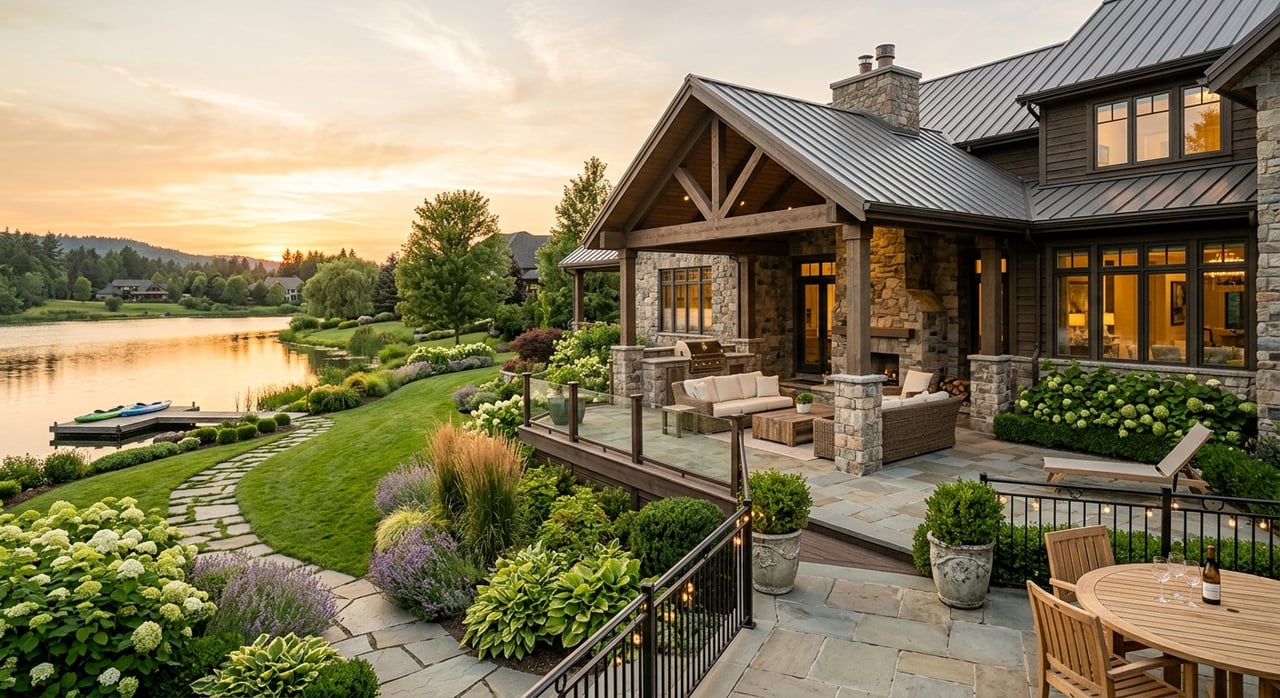
Is Lake Anna calling your name for weekend getaways, rental income, or both? You are not alone. Many buyers from the DC, Northern Virginia, and Richmond areas look to Louisa County for a more relaxed pace and strong vacation appeal. In this guide, you will learn how local rules work, what to expect from the rental market, and the exact steps to take before you buy. Let’s dive in.
Why Louisa appeals to buyers
Louisa County blends rural charm, small-town convenience, and popular lake communities. The main draw is Lake Anna, a large reservoir that spans Louisa, Spotsylvania, and Orange counties and offers year-round recreation like boating and fishing. If you want quick access to the water and an easy drive from major cities, this market is worth a close look. You can explore the lake’s background and amenities through the utility’s overview of Lake Anna’s recreation and access.
Value compared with NoVA and Richmond
Many buyers come to Louisa for relative affordability compared to Northern Virginia. County-level data shows household and housing values that are typically lower than nearby metro areas, which helps second-home and investor math. Review the county’s profile for context on Louisa County demographics and housing values.
A growing short-term rental scene
Lake-centered tourism has fueled a busy vacation-rental market around the shoreline. County staff and local reporting have noted several hundred active short-term rental listings near the lake in recent years, and Louisa raised its transient occupancy tax in 2024 in response to growth. You can read more about the tax change in this local report on Louisa’s transient occupancy tax increase.
STR rules in Louisa County
If you plan to rent your home for short stays, learn the rules before you buy. Louisa adopted a zoning-based short-term rental ordinance that took effect January 1, 2024. The rules define where STRs are allowed by-right and where a conditional permit may be required, and they connect occupancy to septic and building-code limits.
Zoning and Growth Area Overlay
Louisa uses zoning districts and a Growth Area Overlay to decide how STRs operate. Agricultural zones like A-1 and A-2 are handled differently than residential areas inside the Growth Area. In the Growth Area Overlay, STRs can be allowed by-right but with specific restrictions. In some residential areas outside the Growth Area, you may need a Conditional Use Permit. Always confirm a parcel’s zoning and overlay status through county resources, and start with Louisa County’s short-term rental ordinance.
Registration, occupancy and safety
Operators must provide owner or local contact information to the county and to any subdivision governing body. You also need to give guests copies of county noise and solid-waste rules, post emergency contacts inside the home, and meet safety standards like smoke and carbon monoxide detectors. Most important, legal occupancy is tied to the lower of your VDH septic permit capacity or building-code occupancy. The county may require septic inspection and maintenance documentation for regulated STRs. Details are outlined in Louisa County’s short-term rental ordinance.
Taxes and registration
Short-term stays are subject to lodging taxes. Louisa collects transient occupancy tax and requires owners to register and remit state and local taxes as applicable. The county’s recent action to raise the TOT highlights why you should confirm the exact rate and filing steps before you project returns. Local coverage explains the transient occupancy tax increase and market context.
Tri-county and HOA rules to know
Lake Anna spans Louisa, Spotsylvania, and Orange counties. The county line can change what is allowed for the very same house.
Confirm the county first
Each county sets its own STR rules, registration, and enforcement. Orange County, for example, operates a registry program for short-term rentals. If a property you like turns out to be across the line, you will follow that county’s rules. Check the parcel’s jurisdiction and review Orange County’s short-term rental registry as an example of how requirements vary.
HOA covenants and dock rights
Private subdivision rules are separate from county zoning. Many lake communities use covenants to limit or ban short-term rentals, set dock or boat usage rules, require community fees, or control shoreline structures. Always read recorded CC&Rs, current HOA rules, and any recent referendums before you buy. Associations in the region have used covenants to restrict rentals, so this step is crucial.
Warm side vs public side
The lake has a well-known two-sided dynamic. Some areas offer more commercial services, public boat launches, and rental options. Others are more private and quiet, with owner-only access. That split can shape who your guests are and what nightly rates look like. For background on how the lake developed and how these areas differ, see the Lake Anna history overview.
What rents well at Lake Anna
Demand drivers and seasonality
Proximity to Washington, D.C., Northern Virginia, Richmond, and Charlottesville fuels strong summer demand. Holiday weekends, fishing tournaments, and boating season are peak times. Off-season, occupancy and nightly rates usually fall, and long-term leases follow a different pattern than vacation stays. Market monitors illustrate these cycles. For a snapshot of patterns and trends, explore the Louisa market overview on AirDNA.
Industry coverage has named Lake Anna among high-ROI vacation markets in recent years. Treat those headlines as directional. Performance varies widely by location, property size, amenities, season, and management. For a past example, see reporting that highlighted Lake Anna as a top ROI market in the region in Axios coverage.
Common property profiles
- Waterfront cottages and renovated mid-century lake houses. Often 2 to 4 bedrooms with private wells and onsite septic. These can be popular for weekend and peak-season rentals.
- Larger lake homes and newer builds in gated communities. These can attract bigger groups and command premium rates. Expect higher operating costs and stricter parking and HOA rules.
- Inland homes on acreage and manufactured homes. They offer lower price points but may be less suitable for STRs depending on zoning, septic capacity, and HOA limits.
Due-diligence checklist before you buy
Use this step-by-step list to reduce surprises and protect your investment plan:
- Confirm county, zoning, and Growth Area status
- Verify the parcel’s county, base zoning district, and whether it sits inside the Growth Area Overlay. Rules differ by zone and overlay. Start with the county’s STR guidance in Louisa’s ordinance and contact Community Development as needed.
- Read CC&Rs and HOA rules
- Obtain recorded covenants, bylaws, and the latest rules. Confirm whether short-term rentals are allowed, if there are minimum lease terms, and any dock, parking, or guest limits. Ask for any pending or recent rule changes or referendums.
- Verify septic, well, and building-code capacity
- Request the VDH septic permit and recent pump-out or repair records. Your legal overnight occupancy will be the lower of the VDH septic rating or building-code occupancy, per Louisa’s STR ordinance.
- Confirm dock rights and shoreline permits
- Ask for easements, community slip assignments, and any shoreline or dock permits. For resources and contacts, consult Louisa County Community Development.
- Check taxes and registration
- Confirm your registration steps with the Commissioner of the Revenue and verify transient occupancy tax, state lodging taxes, and timing. Local reporting explains the recent TOT increase and why it matters.
- Review flood exposure and insurance
- Check FEMA flood maps and insurance needs. Flood insurance can be a lender requirement in certain zones. Community Development provides links to FEMA mapping through its department resources.
- Call county staff and local managers
- Speak with Louisa Community Development for zoning confirmations and STR guidance, then interview local property managers about cleaning, trash, dock care, and realistic occupancy. Use contacts provided in the county’s STR ordinance.
- Check water-quality and community issues
- Lake Anna groups and local officials have focused on septic capacity and water quality. Review recent discussions to understand community priorities and how they may affect policy or neighbor expectations. Start with the Lake Anna Civic Association’s water-quality discussions.
- Create a written operations plan
- Draft guest rules, occupancy limits based on VDH or code, a parking and trash plan, emergency contacts, and a septic maintenance schedule. Louisa’s ordinance expects clear rules, posted contacts, and proof of safety equipment and maintenance.
Budgeting for ownership
Set your numbers with both peak and off-season in mind. Plan for cleaning, lawn and dock care, trash hauling, and periodic septic pumping. Larger homes often require more parking and produce more waste, which can increase costs. Taxes, registration fees, and required safety equipment should be part of your upfront and annual budget.
If you are buying mainly for personal use, compare homes on maintenance ease as much as floor plan. Simple systems, well-documented septic records, and clear HOA rules can save time and money over the long run.
A local partner to guide you
Choosing the right home at Lake Anna starts with clear due diligence. You deserve a calm, step-by-step process and responsive local help. As a Fredericksburg-area advisor who supports investors, second-home buyers, military relocations, and senior moves, I can connect you with trusted lenders, inspectors, property managers, and service pros. From live video tours to contract strategy and remote closings, my goal is to make your purchase smooth and confident.
Ready to talk through options in Louisa County and around Lake Anna? Reach out to Michelle Nicely to get started.
FAQs
Can I run an Airbnb in Louisa County near Lake Anna?
- It depends on your parcel’s zoning, whether it is inside the Growth Area Overlay, and any HOA rules. Some areas allow STRs by-right with restrictions, while others may require a Conditional Use Permit per Louisa’s STR ordinance.
How do septic rules affect vacation rentals in Louisa?
- The county ties legal occupancy to the lower of your Virginia Department of Health septic capacity or building-code occupancy, and may require inspection or maintenance records, as outlined in the STR ordinance.
What is the difference between Lake Anna’s warm side and public side?
- The lake includes areas with more public access and services and others that are more private and owner-only. That split influences guest expectations and rental demand. See the Lake Anna history overview for context.
Do I have to register and pay lodging taxes for STRs in Louisa?
- Yes. Short-term stays are subject to state and local lodging taxes. Louisa collects transient occupancy tax and requires registration and remittance, with rates recently increased per local reporting.
How do HOA covenants affect short-term rentals around Lake Anna?
- HOAs can restrict or prohibit STRs, set parking and guest rules, and control dock usage and community fees. Always review recorded covenants and current rules before making an offer.
How seasonal is the Lake Anna rental market?
- Summer months are strongest, with lower occupancy and rates in the off-season. Long-term leases follow different patterns than vacation stays. For a trend snapshot, see Louisa’s AirDNA market overview.